Packaging Inserts: Types, Benefits and When to Use Them
The outer box gets most of the design attention, but for many products, the insert inside is what actually determines whether a shipment arrives intact and whether a customer feels genuinely delighted when they open it. Packaging inserts range from simple functional components, like a corrugated divider preventing two glass items from touching, to marketing tools like a printed thank-you card that drives a customer back to your website. Not every product needs an insert, and adding one without a clear purpose just adds cost. This guide covers the main types of packaging inserts, what each one is actually good for, and how to decide whether your product needs one before you place your next packaging order.
What Are Packaging Inserts?
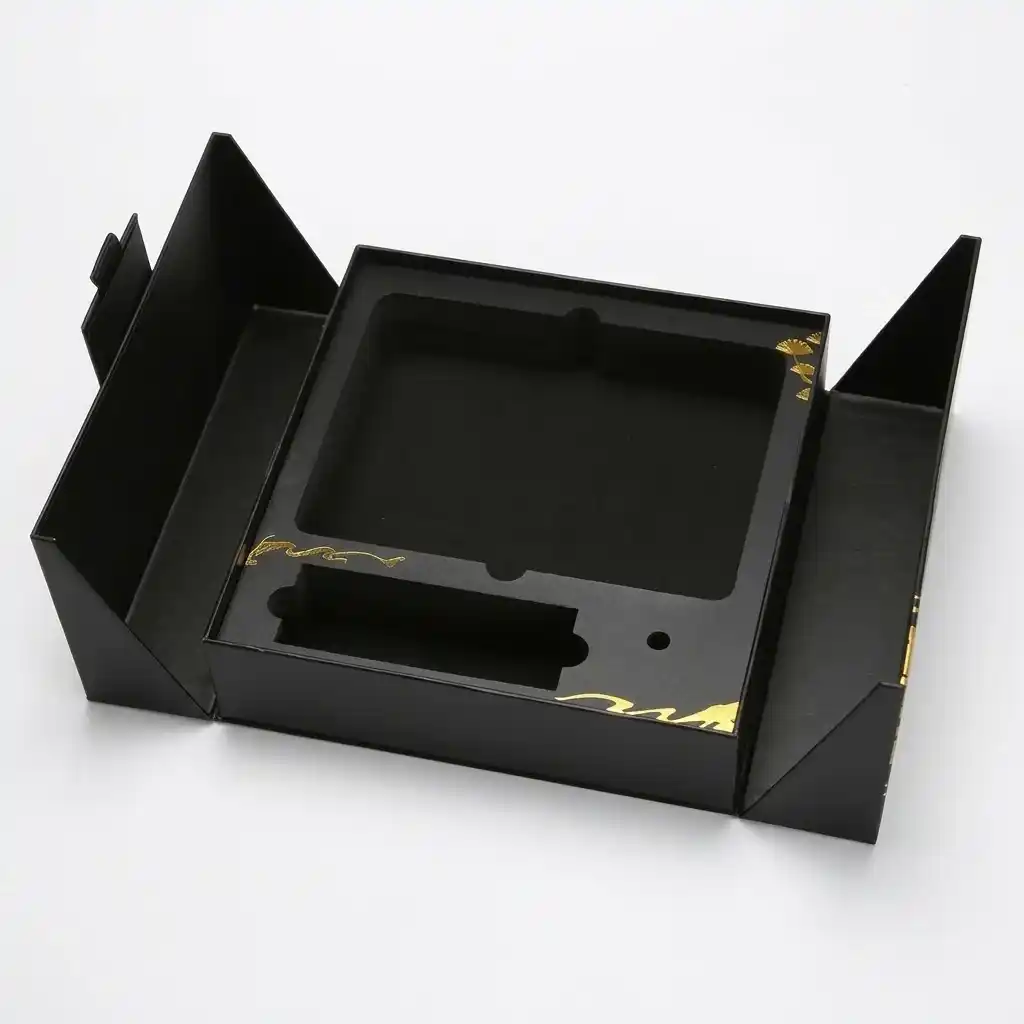
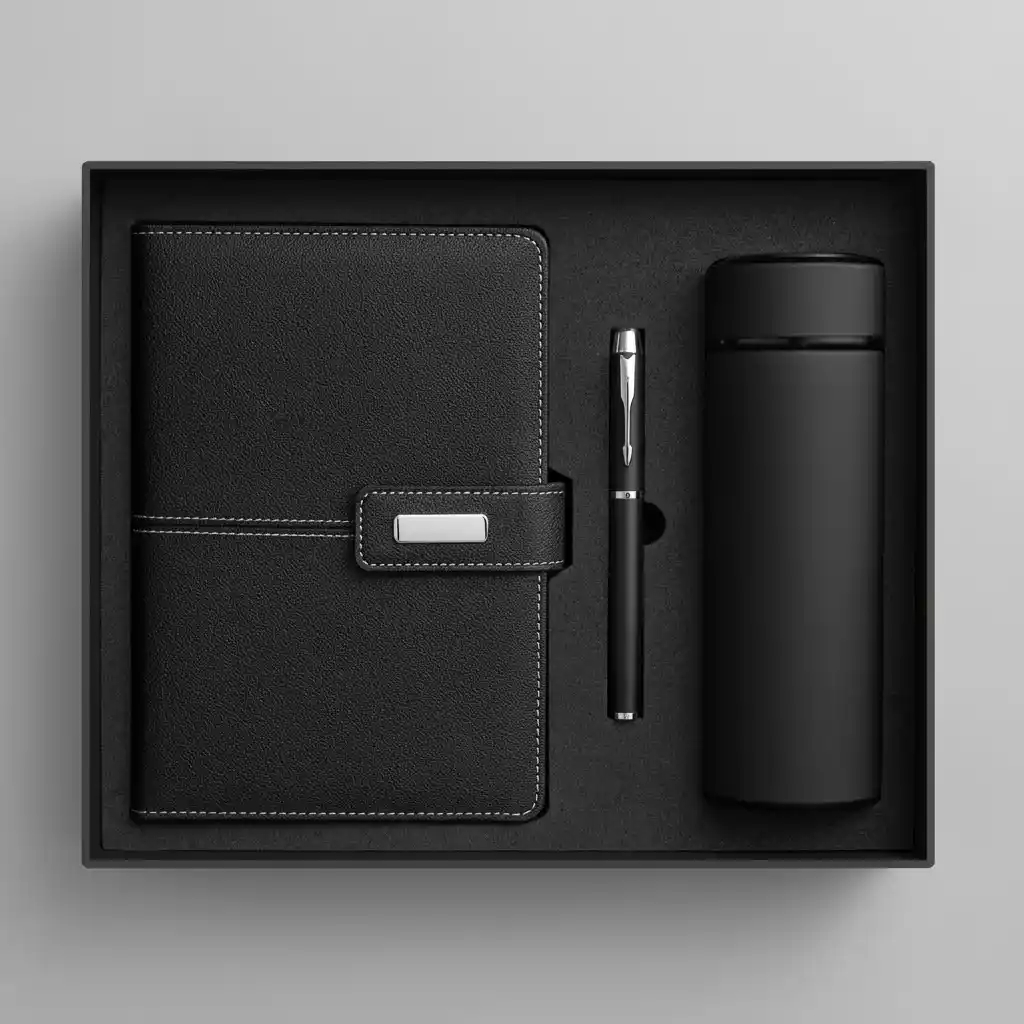
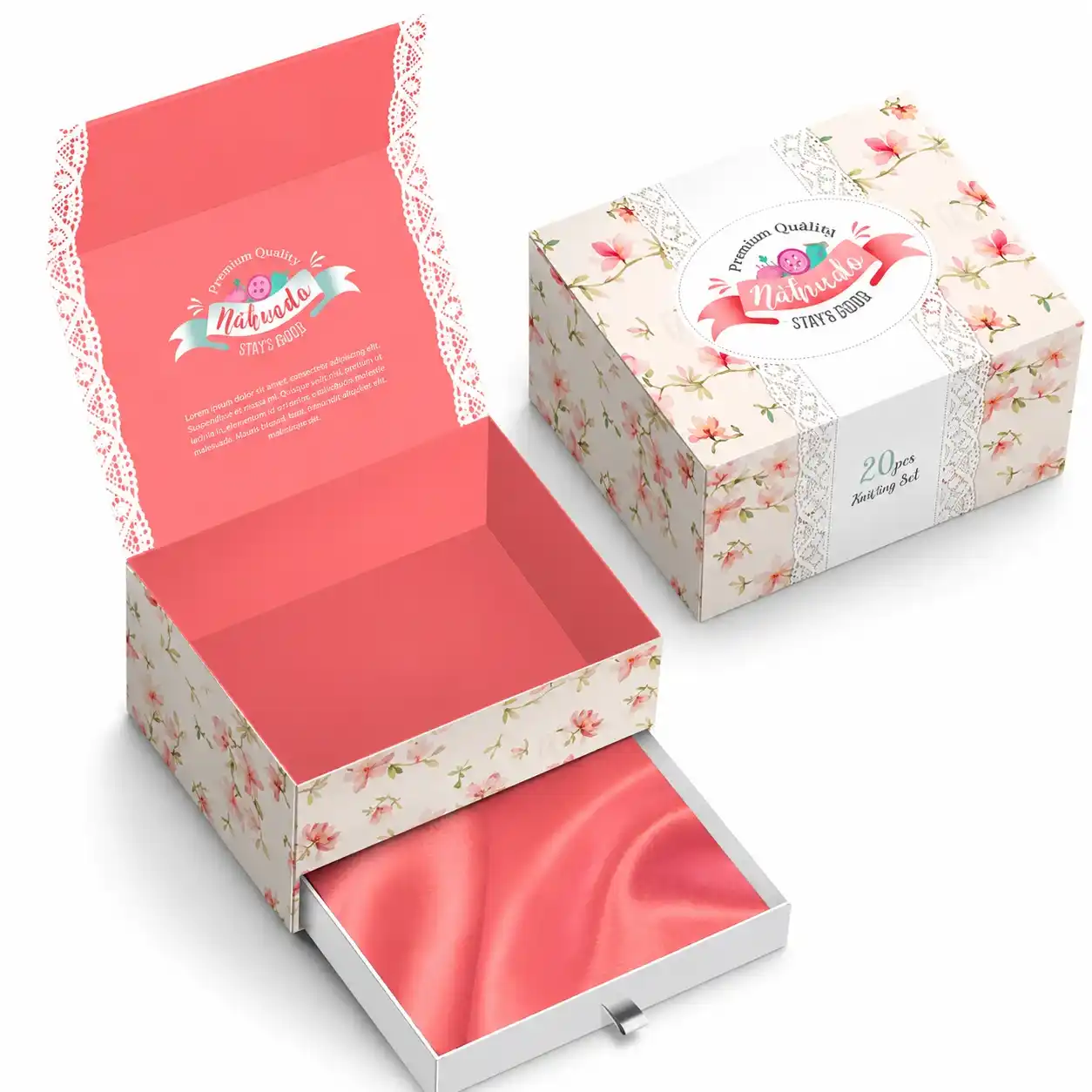
A packaging insert is any component placed inside a box in addition to the primary product, and the category covers a wide range of purposes. Structural inserts, like foam fitments or corrugated dividers, exist purely to protect the product by preventing movement, cushioning impact, or separating multiple items from each other. Presentation inserts, like a custom-cut paper tray, hold a product in an intentional position so it looks organized and considered the moment the box is opened, rather than sitting loosely inside. Marketing inserts, such as printed cards, discount codes, or care instructions, exist to communicate with the customer directly and often drive a specific action, like leaving a review or following a social account. Most well-designed packaging programs use a combination of these insert types rather than relying on just one, layering functional protection with a deliberate presentation and a small marketing touch.
Types of Inserts: Trays, Dividers, Foam and Corrugated Fitments
Structural and presentation inserts come in several standard formats depending on the product being protected.
- Die-cut paper or chipboard trays: custom-shaped trays that hold a product in a fixed position, common for cosmetics, electronics, and gift sets.
- Corrugated dividers and partitions: simple cardboard inserts that separate multiple items within a single box, preventing glass or ceramic items from contacting each other.
- Foam inserts: shaped foam blocks that cushion fragile or irregularly shaped items, often used for electronics or delicate glassware.
- Fitted paper pads: flat corrugated or chipboard pads placed above or below a product for extra crush protection during stacking.
Paper Inserts: Thank You Cards, Instruction Cards and Discount Codes
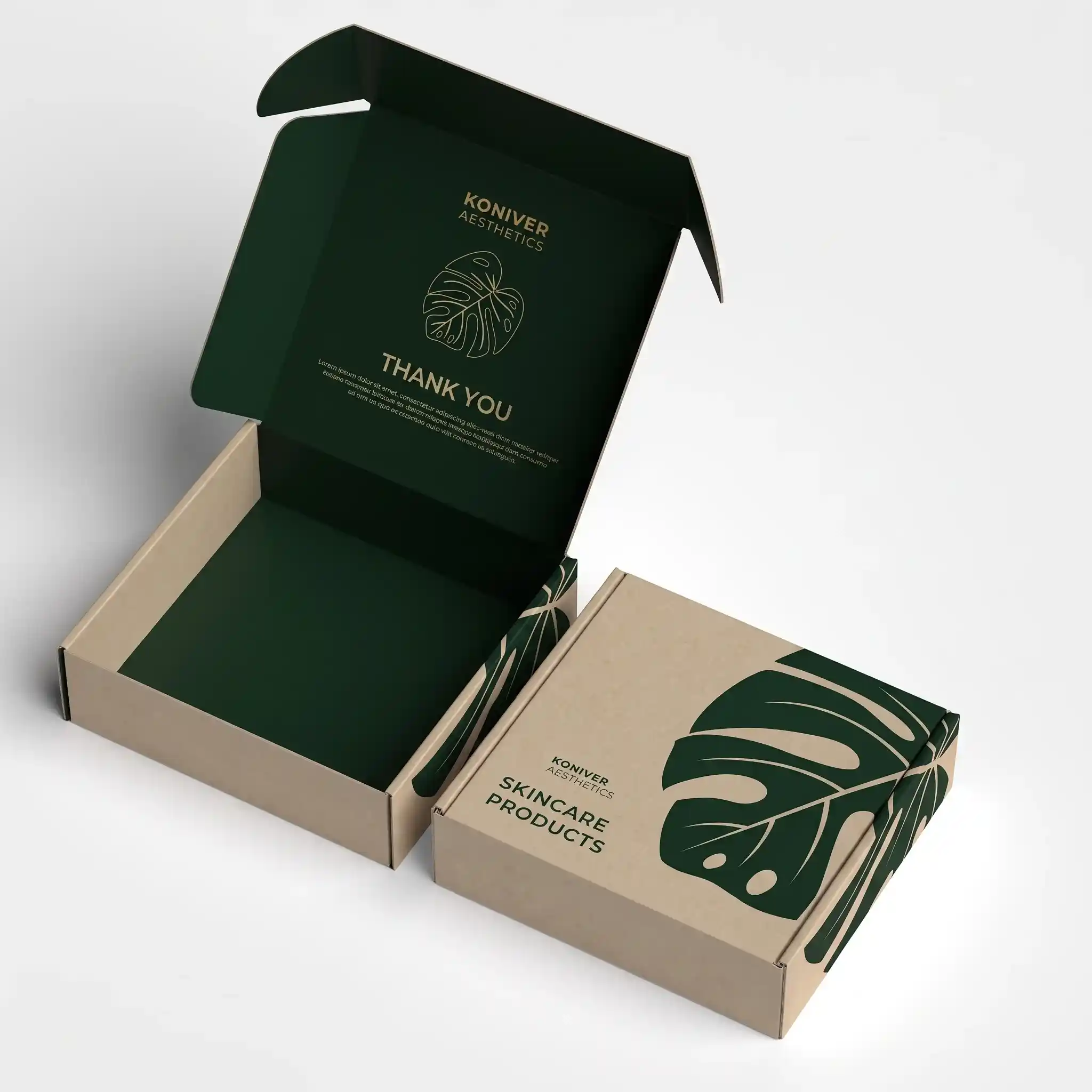
Beyond structural protection, paper inserts serve as one of the most cost-effective marketing tools available to a growing brand, since the customer is already engaged and physically holding your packaging when they encounter them. A simple printed thank-you card personalizes the unboxing experience and can meaningfully increase customer goodwill for a very small per-unit cost. Instruction or care cards reduce customer service inquiries by answering common product questions before a customer even needs to ask, which is especially useful for products with specific usage or care requirements. Discount codes or referral incentives printed on an insert card can directly drive repeat purchases or new customer referrals, giving the insert a measurable return on investment beyond just brand goodwill. Because these cards are simple flat prints, they typically carry very low minimum order quantities and can be updated frequently without affecting your main box tooling.
Why Inserts Improve Product Protection
The most straightforward argument for adding an insert is damage prevention, and the cost of a simple structural insert is almost always lower than the cost of replacing a damaged product, processing a return, or losing a customer over a poor unboxing experience. Products that are fragile, contain multiple loose components, or have an irregular shape that leaves empty space inside a standard box benefit the most from a custom-fitted insert, since movement during transit is one of the leading causes of shipping damage. Even products that aren't fragile in the traditional sense, like soft goods or apparel, can benefit from simple tissue or paper padding that keeps them from shifting and creasing during shipping. When evaluating whether your product needs a structural insert, consider your current damage or return rate as a starting point; a noticeable rate of shipping damage is usually a clear signal that an insert would pay for itself quickly.
Why Inserts Improve Brand Experience and Repeat Sales
Beyond pure protection, inserts play a significant role in how premium and considered a product feels once it's out of the box. A product presented in a custom-fitted tray, sitting exactly where it's meant to, reads as considerably more premium than the same product rattling loosely inside an oversized box. This perception matters most for gift-oriented and premium-priced products, where the unboxing moment itself is part of what a customer is paying for. Marketing inserts extend this effect further by giving customers a reason to engage with your brand again, whether that's following a social account, leaving a review, or using a discount code on a future purchase. Brands that treat inserts purely as a cost rather than an investment often miss a relatively inexpensive opportunity to increase both perceived value and repeat purchase rates.
When You Don't Need an Insert
Not every product benefits from a custom insert, and adding one without a clear purpose simply increases unit cost and assembly time without a corresponding benefit. Durable, single-item products that already fit snugly inside a well-sized box, such as a single folding carton around a bar of soap, often don't need additional structural support. Very low-margin products may not be able to absorb the added per-unit cost of a custom insert, in which case a right-sized box alone may provide sufficient protection. The clearest signal that you can skip an insert is a low or negligible shipping damage rate combined with a product that isn't positioned as a premium gifting item; in that case, your packaging budget is likely better spent on box quality itself rather than interior components.
How to Design and Order Custom Inserts
Designing a custom insert starts with sharing your product's exact dimensions, weight, and any fragile points with your packaging manufacturer, who can then recommend an appropriate insert type and material. For structural inserts like trays or foam, expect to review a physical sample to confirm fit before committing to a full production run, since even small dimensional errors can cause a product to sit incorrectly or fail to protect it during shipping. For paper inserts like thank-you cards, the process is simpler and faster, typically requiring only a digital proof before printing. It's also worth ordering your insert and your outer box from the same manufacturer whenever possible, since small variances in dimensions between two different suppliers can lead to an insert that doesn't sit quite right inside the finished box. Keeping both components under one production process reduces that risk and usually simplifies reordering, since your manufacturer already has both dielines on file for your next run. Pacify Packaging designs and manufactures custom trays, dividers, and paper inserts alongside our rigid boxes, mailer boxes, and folding cartons, so your entire packaging system, box and insert together, is built to fit your product precisely. Our team can also advise on which insert type best matches your product's fragility and price point. Request a quote and share your product details, and we'll recommend the right combination for your needs.
Ready for custom packaging?
Get a free design consult and a quote within 24 business hours from Pacify Packaging.
Request a Free Quote →