What Falls Under Specialty Packaging
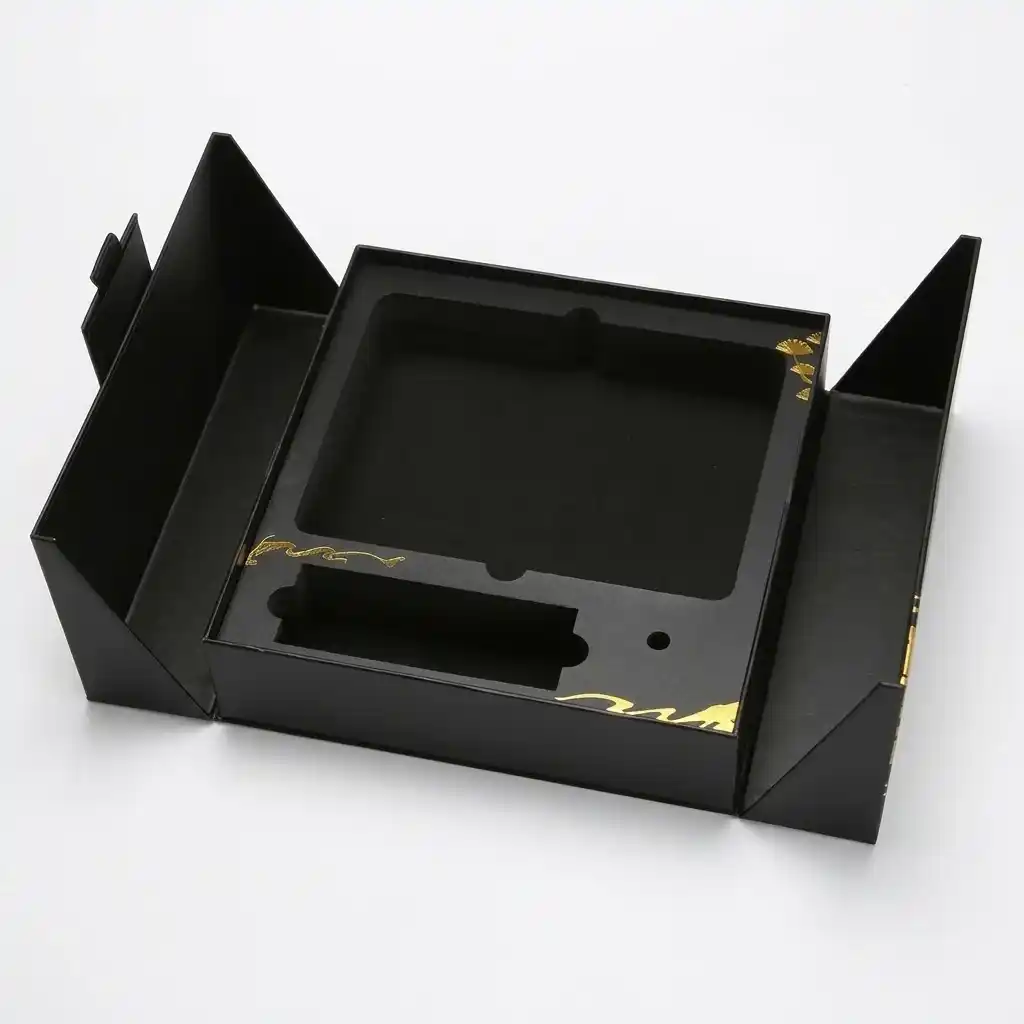
Specialty packaging is less a single category than a catch-all for custom projects that need structural or organizational solutions beyond a standard box — inserts, kits, multi-item sets, and unusual product shapes that require original die-line development rather than an adjustment to an existing template.
Packaging Inserts & Organization
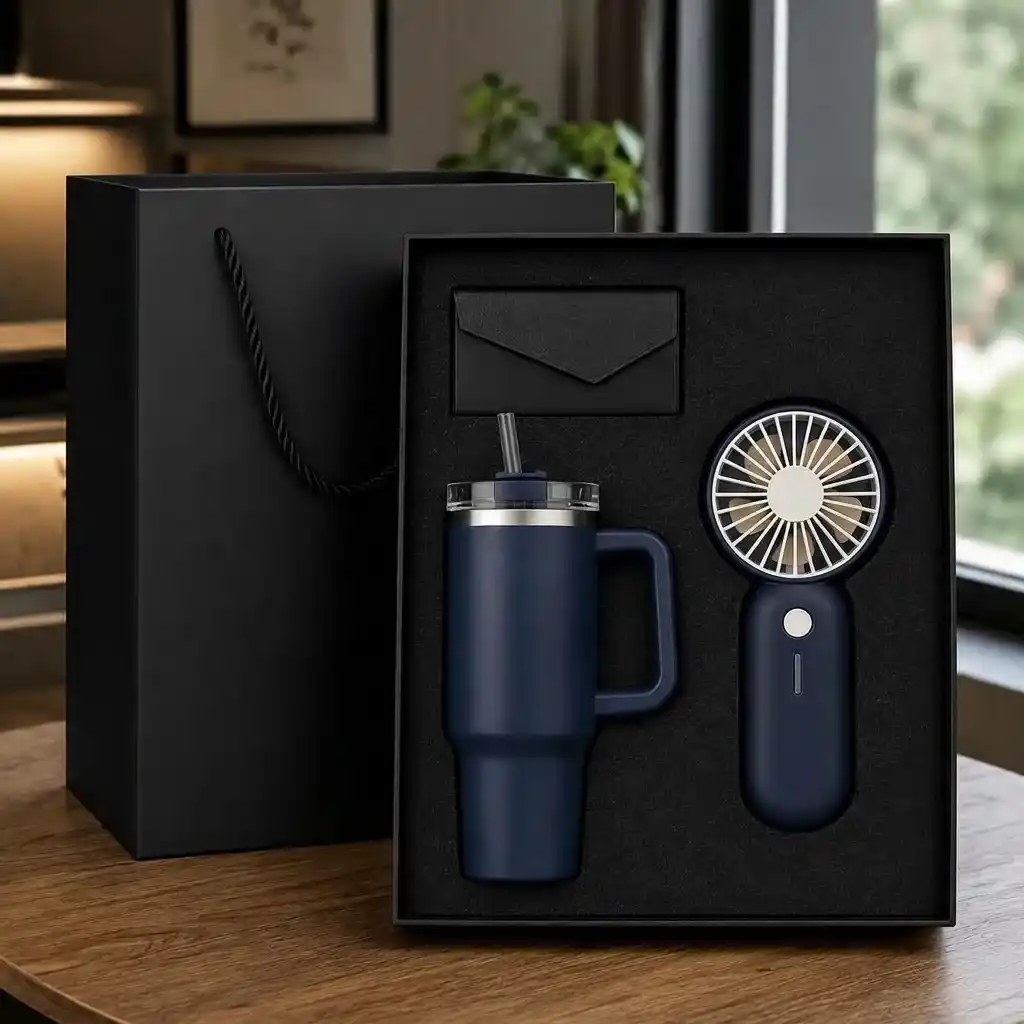
A well-designed insert turns a plain box into organized, protective packaging for multiple items, using die-cut cardboard, foam, or fabric to hold each component exactly in place from the moment the box is sealed until the moment it is opened.
- Foam and cardboard protective inserts
- Fabric-wrapped or flocked presentation inserts
- Header cards and hang-tab inserts for retail
Corporate & Kit Packaging
Multi-item kits — client welcome boxes, employee onboarding sets, product bundles — need packaging engineered around several different components fitting together in one box, which is a fundamentally different design problem than packaging a single product on its own.
Custom Structural Design
When a product doesn't fit any standard box style, we start from a blank die-line and build a structure around the product itself, testing fit and function through physical prototypes before finalizing the design and committing to production tooling.
Getting Started
Specialty projects usually start with a conversation about the product and how it needs to be organized, protected, or presented, followed by a design concept, a physical prototype, and a production quote — typically within 24 hours of your initial inquiry, even for projects with no existing packaging precedent to work from.
When to Start With a Specialty Consultation
If you find yourself trying to force your product into a rigid box, mailer, or folding carton category and it keeps almost-but-not-quite fitting, that's usually a sign the project belongs in a specialty conversation instead. Common triggers include products with unusual dimensions or weight distribution, kits combining several unrelated item types, packaging that needs to serve double duty as both shipping protection and a retail display, or a brand that has simply never had custom packaging built around its product before and doesn't know where to start.
- Unusually shaped or weighted products
- Multi-item kits with mismatched components
- Packaging that needs to double as retail display
- First-time custom packaging with no existing template
How We Approach a Fully Custom Project
A specialty packaging project starts differently than a standard box order — instead of choosing from a set of proven structures, we start by understanding the product itself: its shape, weight distribution, fragile points, and how it needs to be handled from your production line through to the customer's hands. From there we sketch a handful of structural directions, narrow to one or two worth prototyping, and build physical samples you can test against the real product before any decision about tooling or production volume gets made.
Combining Categories Into One Solution
Some of our most effective specialty projects borrow techniques from several categories at once — a rigid box shell with a folding-carton-style window, a mailer box with a rigid insert tray, a corporate kit combining a printed sleeve with foam-lined compartments. Because we manufacture across every category rather than specializing narrowly in just one box type, we can mix construction methods freely to solve an unusual packaging problem, instead of forcing your product into whichever single format happens to be our specialty.
Managing Cost on One-of-a-Kind Projects
Fully custom structural design naturally costs more upfront than choosing from an existing box style, since there's no shared tooling or template to spread that cost across, and we're transparent about that reality from the first conversation rather than letting a client discover it partway through a project. Where possible, we look for ways to reuse portions of an existing die-line or manufacturing process even on a custom project, which can meaningfully reduce development cost without compromising the specific structural solution your product actually needs.
When Specialty Packaging Becomes a Standard Product
A number of our current standard box styles started as one-off specialty projects for a specific client's unusual product, then proved useful enough that we refined them into repeatable structures available to other brands. If your specialty project ends up needing meaningful production volume, we'll flag opportunities to simplify or standardize parts of the design as it scales, since a structure engineered for a one-time prototype doesn't always need to stay fully custom once it's running at real volume.