Eco-Friendly Packaging Options for US Brands in 2026
Sustainability has moved from a nice-to-have marketing angle to a baseline expectation, especially for direct-to-consumer brands whose customers physically hold their packaging in their hands. Heading into 2026, US shoppers are more likely than ever to check whether a box is recyclable, question excess plastic or void fill, and reward brands that visibly reduce their environmental footprint. The good news is that eco-friendly packaging no longer means sacrificing print quality or brand presence. Recyclable board, responsibly sourced paper, and water-based inks can now achieve the same visual impact as conventional materials. This guide covers the practical eco-friendly packaging options available to US brands right now, along with guidance on how to talk about sustainability honestly without overstating your claims.
Why Sustainable Packaging Matters More Than Ever in 2026
Consumer expectations around packaging waste have shifted noticeably in the past few years, driven partly by state-level extended producer responsibility laws and partly by growing awareness of how much packaging waste ecommerce generates. Brands that ignore this shift risk losing customers to competitors who've made visible sustainability commitments, even when the underlying products are similar. Beyond consumer perception, several US states have introduced or expanded packaging waste regulations that affect what materials and labeling brands can use, making sustainable material choices a compliance consideration as well as a marketing one. For growing brands, addressing packaging sustainability early, before it becomes a regulatory requirement or a competitive disadvantage, is far easier than retrofitting an entire packaging program later. Investors and wholesale retail partners are also paying closer attention to packaging sustainability as part of broader environmental, social, and governance expectations, which means a credible sustainability story can open doors beyond direct consumer sales. A packaging program built around genuinely recyclable or responsibly sourced materials also tends to be more resilient to future regulatory change, since brands that are already ahead of minimum requirements won't need to redesign their entire packaging line every time a new state law takes effect. Getting ahead of these shifts now, rather than reacting once a new law or retailer requirement takes effect, gives a growing brand more time to test materials properly instead of scrambling under a compliance deadline.
Recyclable and Recycled-Content Materials
The simplest and most impactful sustainable packaging decision is choosing materials that are widely recyclable through standard curbside programs. Corrugated cardboard and most uncoated paperboard are broadly recyclable across the US, making them a safe default for mailer boxes and folding cartons. Look for board with recycled content, often listed as a percentage of post-consumer recycled fiber, which reduces the demand for virgin paper pulp without sacrificing strength or printability. Avoid laminates and coatings that make a box difficult to recycle, such as certain plastic-based glosses, and check with your manufacturer about which lamination options are recycling-compatible before finalizing a design. Clearly marking your packaging as recyclable, using the standard How2Recycle labeling system, also helps customers actually recycle correctly instead of guessing.
Kraft and Uncoated Paper Options
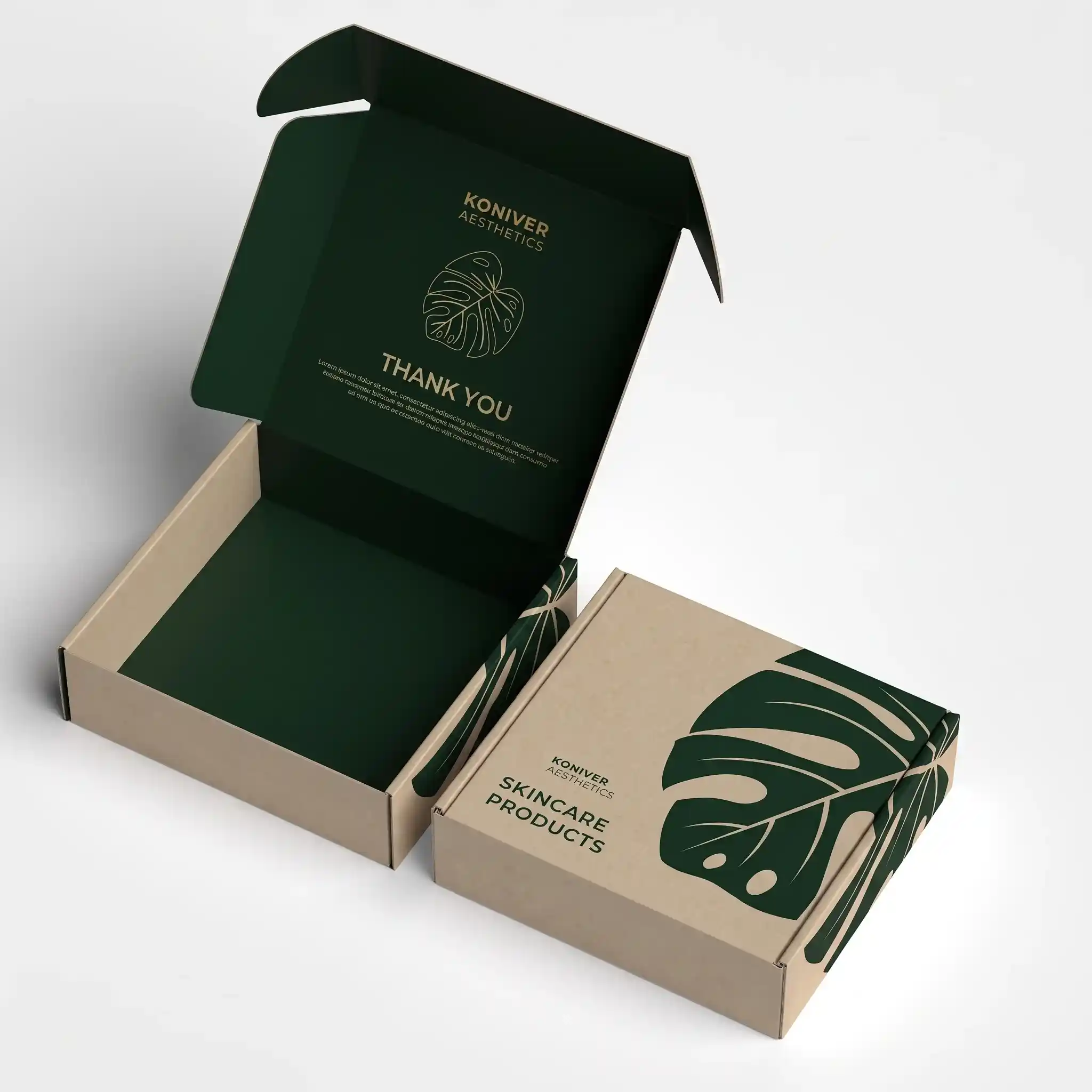
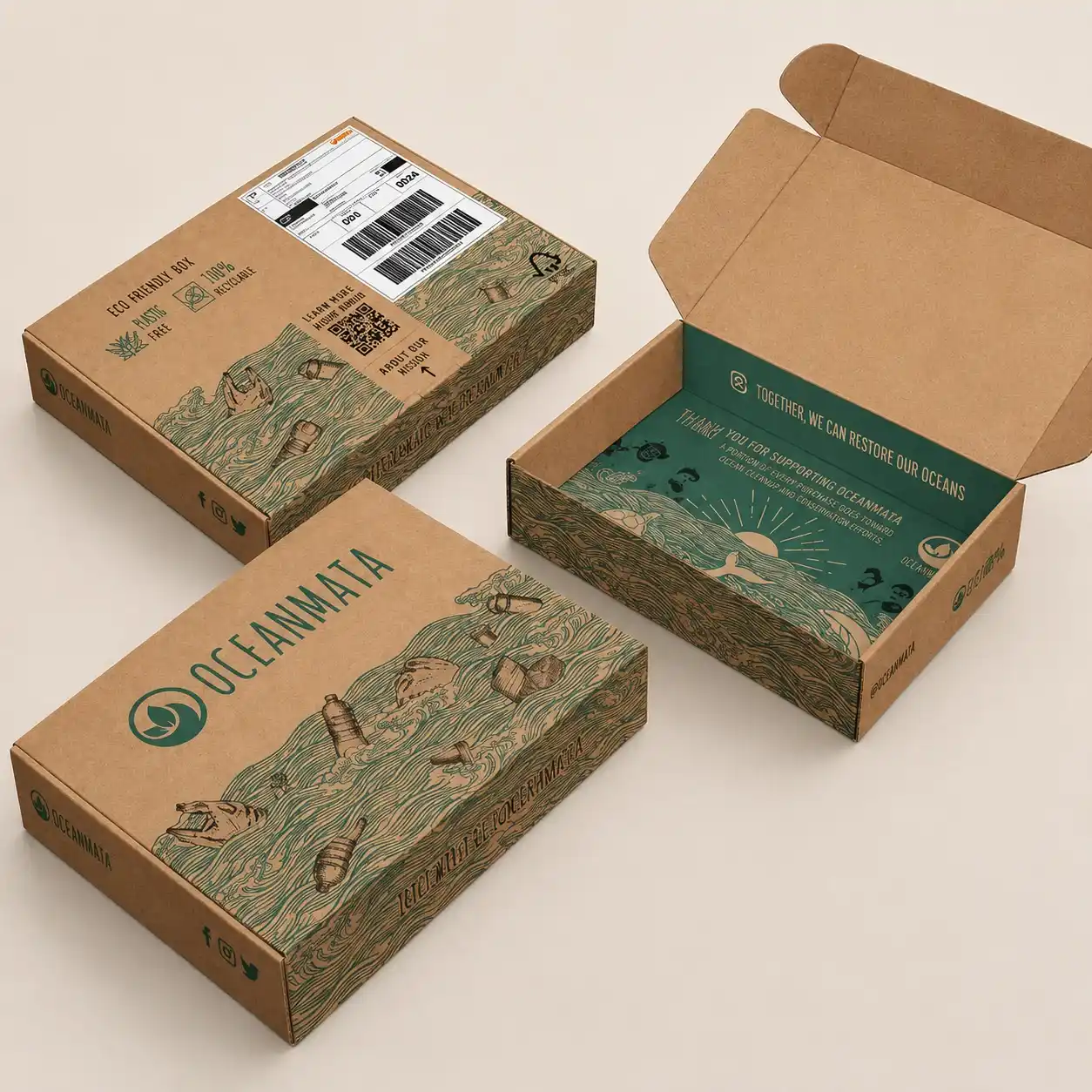
Natural kraft paper, with its characteristic brown, unbleached appearance, has become one of the most recognizable visual signals of sustainable packaging, and for good reason: it typically requires less processing than bright white coated stock and pairs well with minimal, single-color printing. Uncoated paperboard offers a similar aesthetic with a smoother printing surface, letting brands achieve a natural look while still supporting more detailed full-color graphics. Both options work well for food, wellness, and beauty brands positioning themselves around natural or clean ingredients, since the packaging visually reinforces the product story. Kraft and uncoated stocks can still be finished with foil stamping or embossing for brands that want a natural base with a touch of premium detail.
FSC-Certified Board and Responsible Sourcing
Forest Stewardship Council (FSC) certification confirms that the paper and board used in your packaging comes from responsibly managed forests, and it's one of the most credible sustainability claims a brand can make because it's backed by third-party auditing rather than self-reported marketing language. Requesting FSC-certified board from your manufacturer is a straightforward way to strengthen your sustainability positioning without changing your design at all, since certified board is available in the same range of weights and finishes as non-certified alternatives. If sustainability messaging is central to your brand, ask your manufacturer for chain-of-custody documentation so you can display the FSC logo accurately on your packaging and communicate the certification to customers who look for it specifically. Keep in mind that displaying the FSC mark without valid chain-of-custody documentation is a compliance risk, so always confirm certification status directly with your manufacturer before adding the logo to any artwork file.
Soy and Water Based Inks
The inks used to print your packaging matter almost as much as the board itself. Conventional petroleum-based inks release more volatile organic compounds during production and can complicate recycling, while soy-based and water-based inks offer a lower-impact alternative with comparable print vibrancy for most designs. Water-based inks are now standard for many corrugated and kraft printing applications and produce excellent results for one and two-color designs, which suits the minimal aesthetic many eco-conscious brands prefer anyway. If your design relies on very bright, saturated colors or metallic effects, discuss ink options with your manufacturer early, since some specialty colors still perform better with conventional formulations, and a good manufacturer will help you find the closest lower-impact match.
Reducing Void Space and Right-Sizing Boxes
One of the most overlooked forms of packaging waste isn't the box material itself, it's shipping a box that's significantly larger than the product inside, which wastes cardboard, requires more void fill, and increases shipping emissions due to unnecessary volume. Right-sizing your packaging, meaning designing custom dimensions that closely fit your product rather than defaulting to standard stock sizes, is one of the highest-impact sustainability moves available and often reduces cost at the same time. This is an area where custom packaging manufacturers have a real advantage over generic box suppliers, since a manufacturer can build dielines around your exact product dimensions rather than forcing you into a handful of standard sizes with excess empty space.
How to Talk About Sustainability Without Greenwashing
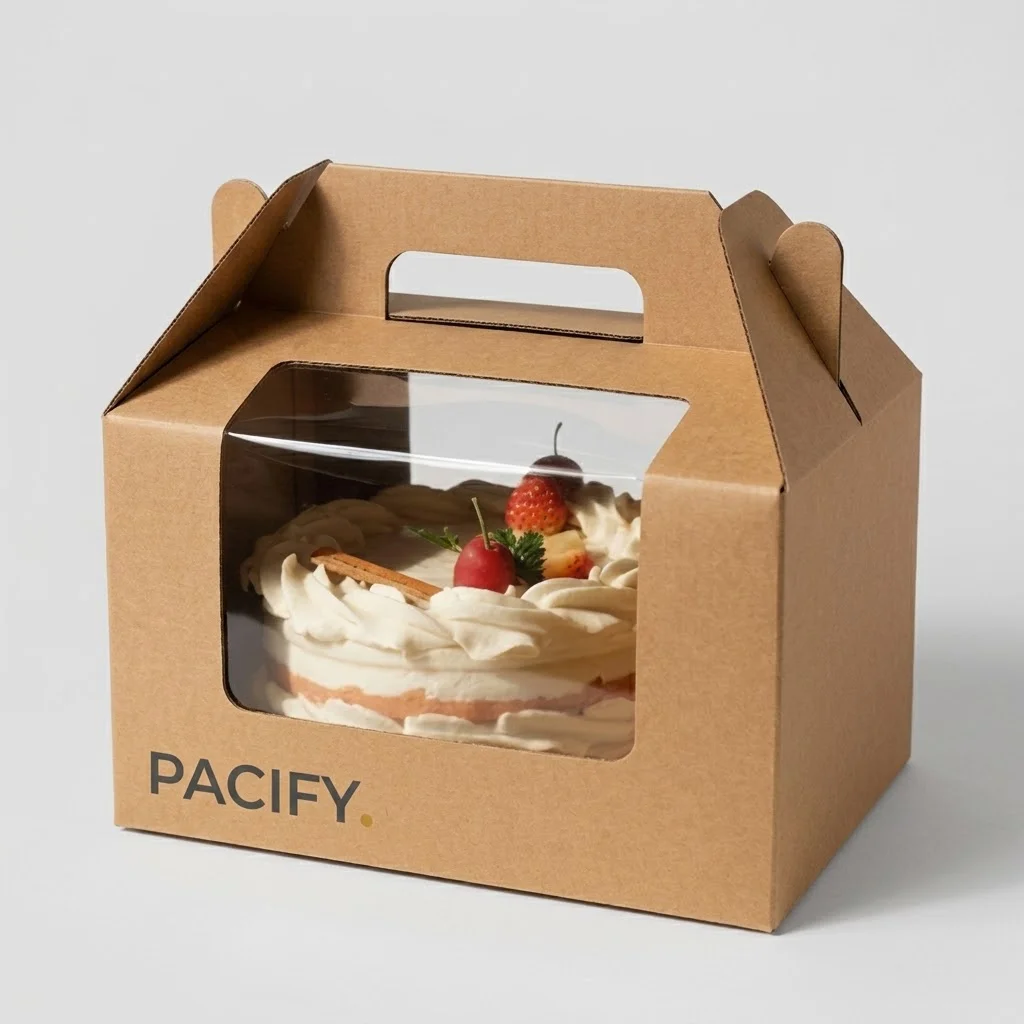
As sustainability becomes a bigger purchasing factor, so does scrutiny of vague or exaggerated environmental claims, and the FTC's Green Guides set clear expectations for how brands can describe recyclability and eco-friendliness in the US. Avoid broad, unqualified terms like eco-friendly or green without specifics; instead, describe exactly what makes your packaging more sustainable, such as FSC-certified board, curbside recyclable materials, or reduced plastic content. Back up claims with certifications or material specifications wherever possible, and be transparent about the parts of your packaging that aren't fully sustainable yet rather than overstating your progress. Customers respond well to honest, specific sustainability messaging, and it protects your brand from the reputational risk of an overstated claim. It's also worth printing recycling instructions directly on the box rather than assuming customers already know how to dispose of it correctly. A short line such as "Please recycle this box and remove any plastic tape or window before recycling" does more for genuine sustainability outcomes than a logo alone, since it removes the guesswork that causes so much recyclable packaging to end up in landfill anyway. Ready to build a more sustainable packaging program? Pacify Packaging offers recyclable, kraft, and FSC-certified custom packaging options for US brands. Request a quote to discuss materials that fit your sustainability goals and your budget.
Ready for custom packaging?
Get a free design consult and a quote within 24 business hours from Pacify Packaging.
Request a Free Quote →