How Much Does Custom Packaging Cost? Pricing Guide for 2026
"How much does custom packaging cost?" is one of the first questions every brand asks, and it's also one of the hardest to answer with a single number, because custom packaging pricing depends on a combination of material, structure, print complexity, finishing, and order volume that varies enormously from project to project. A simple one-color mailer box and a foil-stamped rigid gift box with a custom insert can differ in price by several multiples, even at similar order quantities. Rather than offering a misleading flat rate, this guide breaks down the actual variables that determine your per-unit cost, so you can understand what's driving your quote and where there's room to adjust your specification to fit your budget heading into 2026.

There's No Single Price for "Custom Packaging"
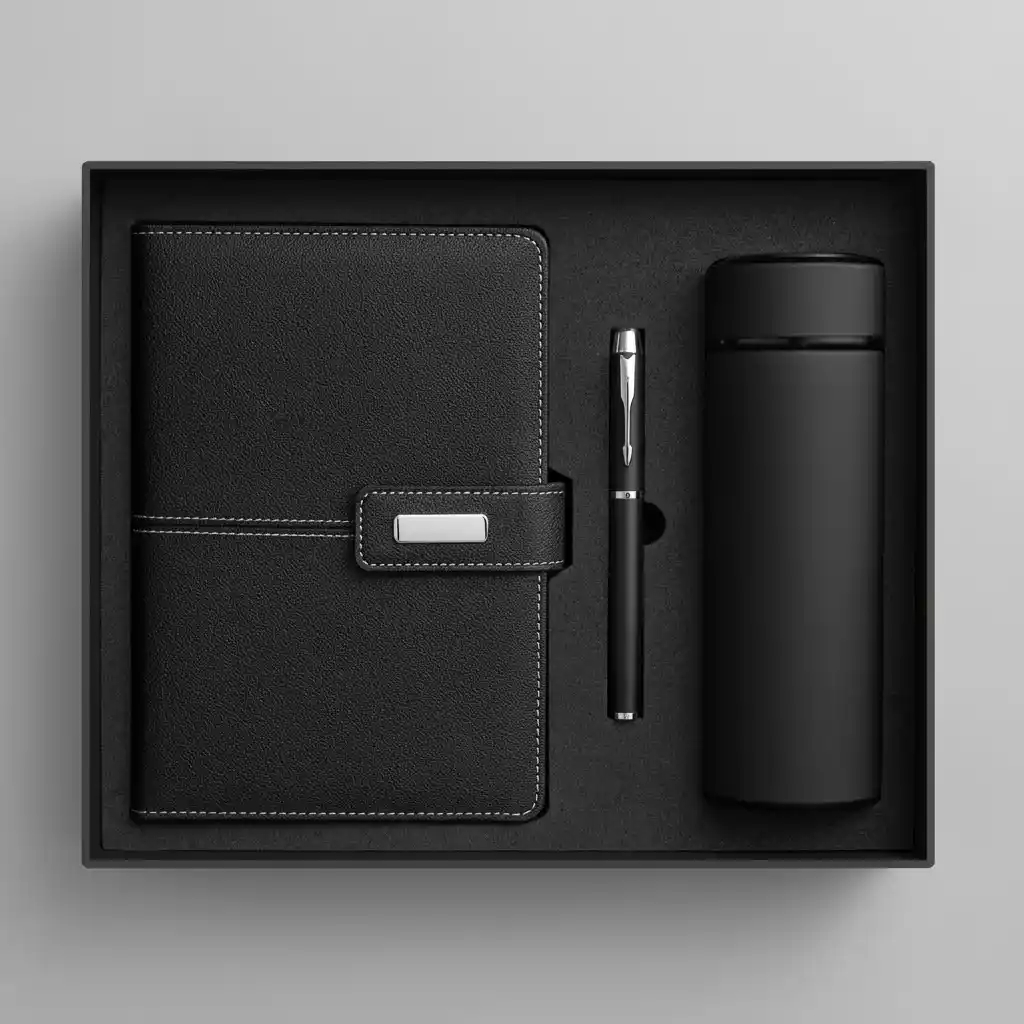
Custom packaging spans an extremely wide range of products, from a simple single-color kraft mailer box to a multi-piece rigid gift box with foil stamping, soft-touch lamination, and a custom foam insert, and the cost difference between these two extremes can easily be five to ten times per unit. Any pricing guide that quotes a single flat number per box, without accounting for material, size, print complexity, and quantity, is oversimplifying to the point of being unhelpful. Instead of looking for a universal number, it's more useful to understand the specific variables that drive cost in your particular project, since two brands ordering what sounds like a similar box on paper can end up with very different quotes based on details like board thickness or finishing choices that aren't obvious to a first-time buyer. Understanding these variables also puts you in a much stronger position to negotiate or adjust a spec if an initial quote comes in above your target budget.
The Biggest Cost Driver: Material and Box Style
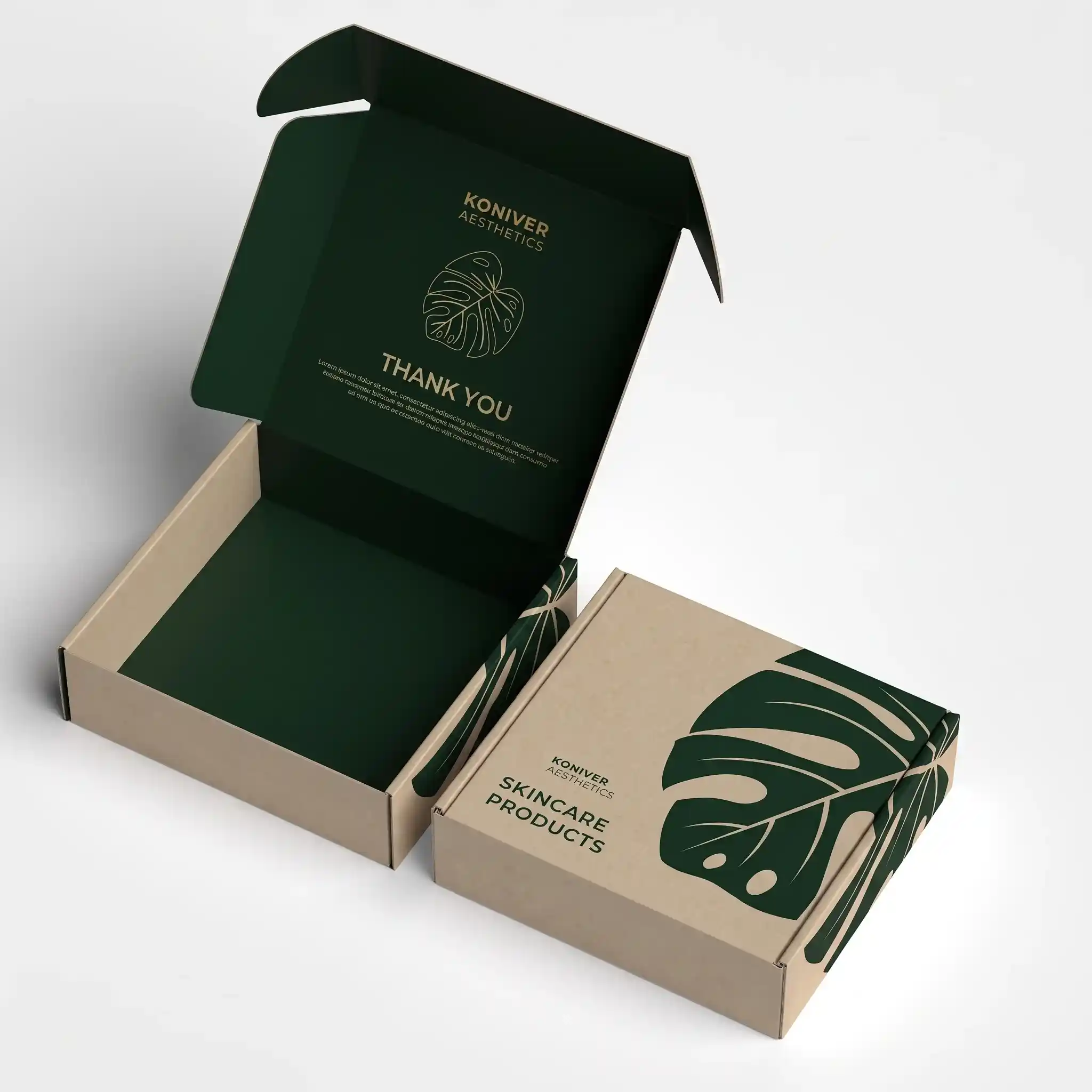
Material and structural style typically account for the largest share of your per-unit packaging cost. Folding cartons made from standard SBS board are generally the most affordable custom packaging option, since they use less material and involve simpler assembly than other formats. Corrugated mailer boxes cost somewhat more due to the additional fluted layer, though pricing varies based on wall thickness and flute size. Rigid boxes are consistently the most expensive structural category because they require thick, non-collapsible chipboard, a separate wrapping process, and hand or semi-automated assembly labor that folding cartons and mailers don't need. Within each category, size also matters significantly, since larger boxes use more material and may require different equipment to produce, so right-sizing your packaging to your product isn't just a sustainability consideration, it's also a direct cost lever.
How Order Quantity Changes Your Per-Unit Price
Custom packaging pricing is heavily volume-dependent because setup costs for printing plates, die-cutting tools, and production changeovers are largely fixed regardless of how many boxes you order, meaning those costs get spread across a smaller or larger batch depending on your quantity. This is why per-unit pricing often drops substantially between a 500-unit order and a 5,000-unit order, even though the box specification hasn't changed at all. For small businesses ordering their first run, it's worth asking your manufacturer for pricing at two or three different quantity tiers so you can see exactly how much per-unit cost improves at higher volumes, which helps you decide whether it makes sense to order a larger batch upfront if storage space allows, versus starting smaller and reordering more frequently at a higher per-unit cost.
Printing and Finishing Costs Explained
Printing complexity is one of the more variable cost factors, and it's driven primarily by the number of colors, whether you're using full-color CMYK process printing versus one or two spot colors, and the printing method itself. Flexographic printing, common for corrugated boxes, is generally more economical for simple one to three color designs, while full CMYK printing on folding cartons or rigid box wraps allows for photographic detail at a somewhat higher cost. Finishing techniques add cost on top of base printing: matte or gloss lamination is relatively affordable and applied across the entire surface, while foil stamping, embossing, and spot UV are typically priced based on the size and complexity of the specific area being treated, since each requires a separate production pass and, often, a dedicated die or plate. If budget is tight, applying a premium finish like foil stamping to just your logo, rather than a larger design element, is a common way to get a premium visual effect without the cost of finishing a large surface area.
Tooling, Dies and Setup Fees
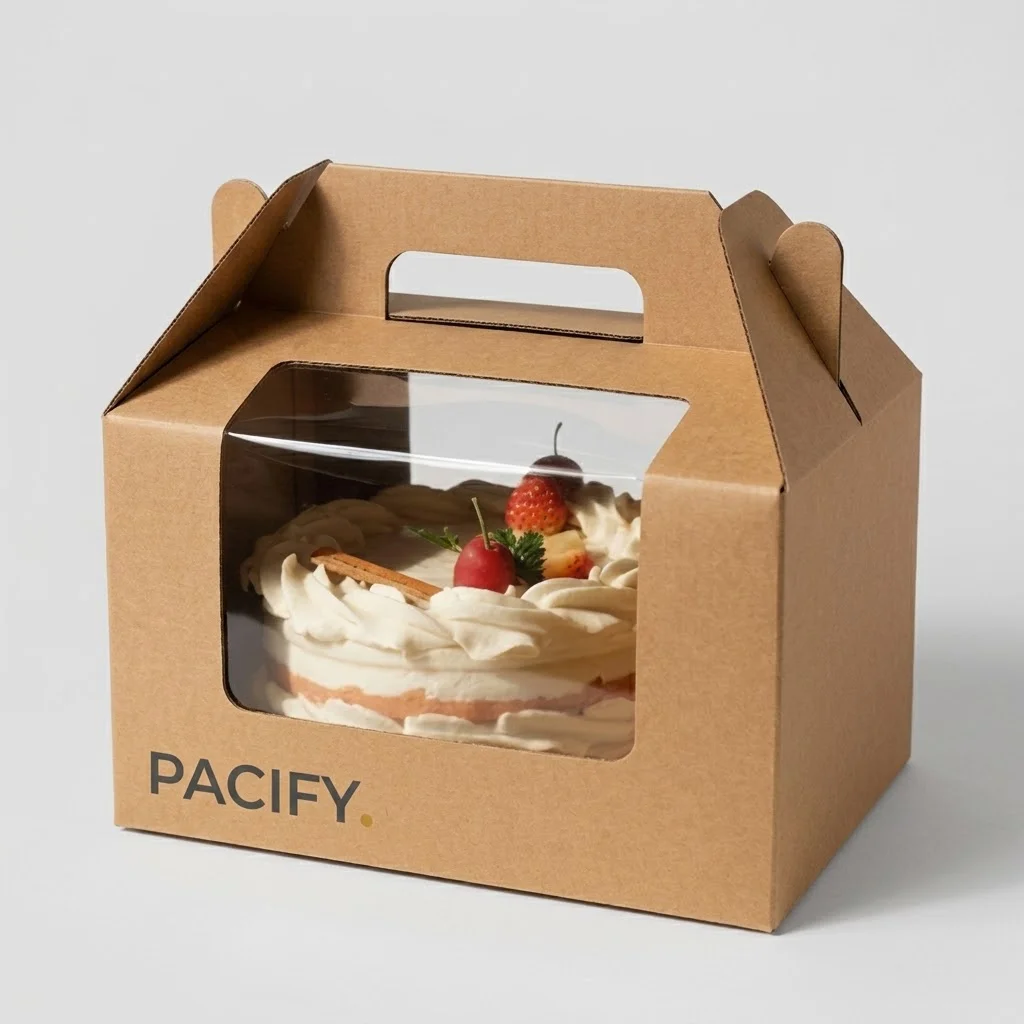
Beyond per-unit pricing, most custom packaging orders involve one-time tooling costs that cover the physical dies, printing plates, or cutting tools specific to your box design. These setup costs are a fixed, one-time investment that typically doesn't recur on reorders of the same design, which is an important detail many first-time buyers miss when comparing an initial quote to a reorder quote later. Structural complexity increases tooling cost, a simple rectangular box requires a much simpler die than a box with custom windows, handles, or an unusual shape. When evaluating a quote, it's worth asking your manufacturer to break out tooling and setup fees separately from per-unit production costs, so you understand which portion of your total cost is a one-time investment versus a recurring expense on every future order.
Shipping, Lead Time and Hidden Costs
The quoted per-unit box price isn't always the full cost of a packaging program, and it's worth accounting for a few additional factors before finalizing your budget. Freight costs for shipping finished boxes from a manufacturer to your warehouse can be significant, particularly for bulky rigid boxes or large corrugated shipments, and it's worth asking whether freight is included in a quoted price or billed separately. Rush production fees can apply if you need a faster turnaround than a manufacturer's standard lead time, which is worth avoiding by planning packaging orders several weeks ahead of when you actually need inventory in hand. Storage is another often-overlooked cost, since ordering a very large batch to hit a lower per-unit price only makes financial sense if you have adequate space to store the inventory without it going to waste or becoming a cash flow burden.
How to Get an Accurate Quote
The fastest way to get a genuinely useful cost estimate is to share specific details upfront rather than asking a manufacturer to guess: your product dimensions, target order quantity, preferred material or box style if you have one, number of print colors, and any finishing techniques you're considering. It's also helpful to share reference images of packaging you like, even from other brands, so your manufacturer can point out which elements are driving cost and suggest more economical alternatives that achieve a similar look. Requesting quotes at two or three different quantities and, if you're unsure about finishing, both with and without a premium finish like foil stamping, gives you a clearer picture of where your budget actually goes. Pacify Packaging provides transparent, itemized quotes for custom rigid boxes, mailer boxes, folding cartons, and specialty packaging, broken down by material, printing, and finishing so you know exactly what you're paying for, with no hidden fees added later. Request a quote today and our team will help you find a specification that fits your budget without cutting corners on quality.
Ready for custom packaging?
Get a free design consult and a quote within 24 business hours from Pacify Packaging.
Request a Free Quote →