Custom Chocolate Boxes: Packaging Ideas for Confectionery Brands
Few product categories rely as heavily on packaging as chocolate and confectionery. Customers are buying an experience as much as a product, and the box a truffle or gift assortment arrives in sets expectations before a single piece is tasted. Custom chocolate boxes need to accomplish several things simultaneously: protect delicate, often fragile pieces during shipping, keep chocolate fresh and free from contamination, present individual pieces attractively, and communicate a level of craftsmanship that justifies a premium price point. Whether you run a small-batch bonbon studio or a growing confectionery brand shipping nationwide, choosing the right box style, material, and insert system makes a measurable difference in both customer perception and product protection. Here's what confectionery brands need to know when planning custom chocolate packaging.

Why Packaging Matters So Much for Chocolate Brands
Chocolate is a highly emotional, gift-driven category, and customers frequently buy it for someone else rather than themselves, which makes the unboxing moment a proxy for the gift-giver's taste and thoughtfulness. A generic or flimsy box undermines that emotional value even if the chocolate itself is exceptional, while a well-designed box with a satisfying opening moment, a clean interior tray, and premium finishing reinforces exactly the sentiment a customer is trying to express. Packaging also carries real functional weight in this category: chocolate is sensitive to temperature, light, and physical impact, meaning a box has to genuinely protect the product, not just look good in photos. Brands that treat packaging as an afterthought often see it reflected directly in return rates and repeat purchase behavior. This dual role, emotional signal and functional protection, is what makes chocolate packaging genuinely more demanding to design than packaging for many other product categories, and it's worth budgeting accordingly rather than treating the box as a simple afterthought line item. Brands that get this balance right often find that packaging becomes a talking point in customer reviews and social posts, effectively turning the box into free marketing on top of its protective function.
Popular Chocolate Box Styles
Confectionery brands typically choose from a handful of proven structures, each suited to different assortment sizes and price points.
- Ballotin boxes: the classic two-piece chocolate box style, often rectangular with a lift-off lid, ideal for assorted truffle collections.
- Two-piece rigid boxes: sturdy, premium-feeling boxes with a separate lid and base, well suited to higher-end gift assortments.
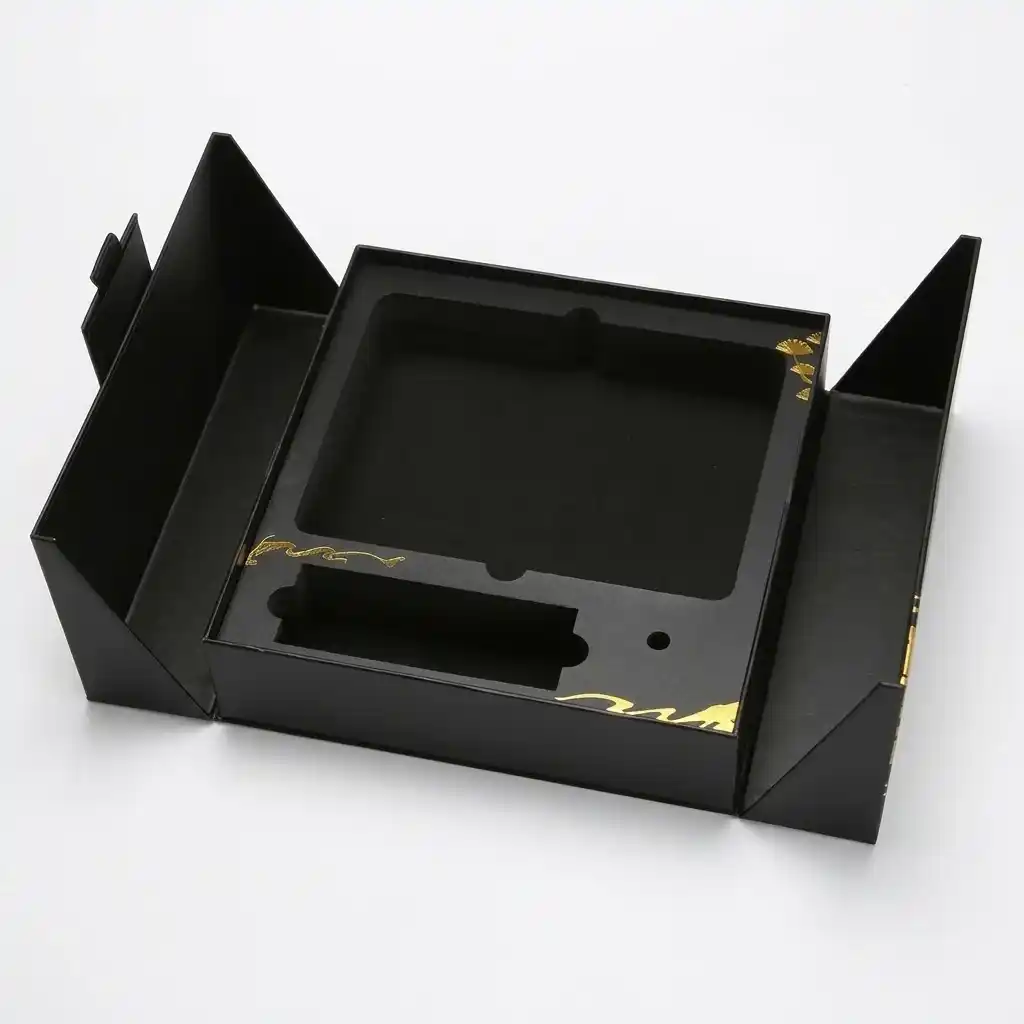
- Drawer-style boxes: a sliding inner tray inside an outer sleeve, creating a satisfying reveal moment for gift-focused brands.
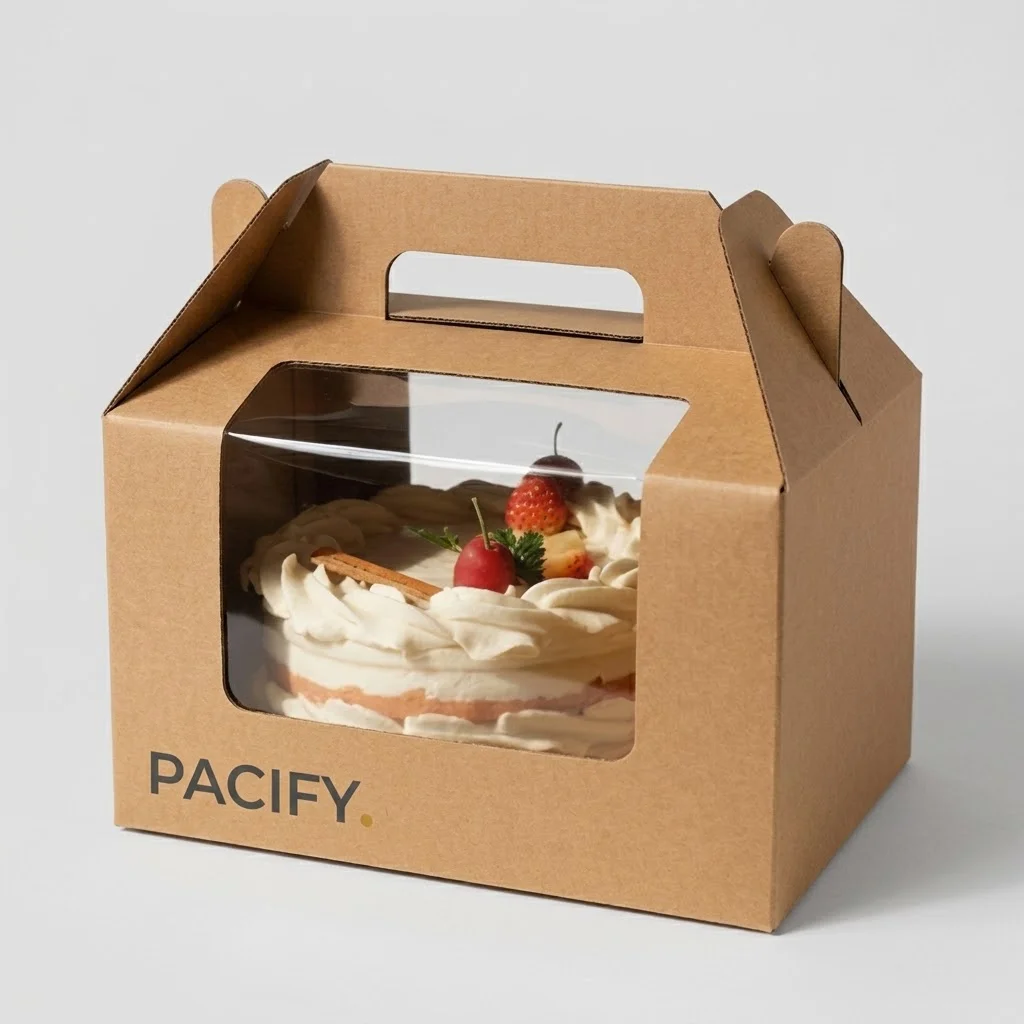
- Window folding cartons: cost-effective cartons with a die-cut window that lets the product sell itself on retail shelves.
- Gable and handle boxes: carry-friendly boxes for gift sets or seasonal bundles, popular for corporate gifting programs.
Materials That Keep Chocolate Fresh and Look Premium
Chocolate packaging needs to balance visual appeal with practical protection against light, moisture, and temperature fluctuation. Rigid chipboard, wrapped in a printed or specialty paper, is the standard for premium chocolate boxes because its thickness helps insulate against minor temperature swings and protects delicate pieces from crushing. For food-contact surfaces, food-safe interior liners or trays are essential, and any material touching chocolate directly should meet FDA food-contact packaging requirements. Folding cartons made from solid bleached sulfate board offer a lighter, more cost-effective option for brands selling through retail, where the box will be handled less roughly than in direct-to-consumer shipping. Whichever base material you choose, discuss food-safety compliance and any barrier requirements with your manufacturer early in the design process, since retrofitting a design for compliance after production tooling is finalized is far more costly. Some brands also add a thin foil or wax paper layer beneath the primary insert as extra protection against humidity, particularly for shipments crossing warmer climates during summer months.
Inserts and Trays for Individually Wrapped Pieces
For assortment boxes containing multiple truffles or bonbons, the interior tray or insert is just as important as the exterior design. A well-fitted paper or plastic tray with individual cavities keeps pieces from shifting and colliding during shipping, which prevents both cosmetic damage and the frustrating experience of a customer opening a box to find pieces jumbled together. Custom-cut inserts can be shaped to match irregular chocolate shapes precisely, while standard grid inserts work well for uniform pieces like classic bonbons or caramels. Some brands also use paper cupcake-style liners within a tray for an artisanal, bakery-style presentation. Discuss your exact piece count, shape, and size with your packaging manufacturer so the insert can be tooled specifically for your product rather than adapted from a generic template that leaves too much movement inside the box.
Seasonal and Gifting Packaging Strategies
Chocolate sales are heavily seasonal, with major spikes around Valentine's Day, Easter, Mother's Day, and the winter holidays, and packaging strategy should account for that rhythm rather than using one static design year-round. Many confectionery brands maintain a core, evergreen box design for everyday sales while introducing limited seasonal packaging, different colors, foil accents, or ribbon treatments, for key gifting periods. This approach lets you capture the premium pricing power of seasonal gifting without redesigning your entire packaging system multiple times a year. Corporate gifting is another significant opportunity for chocolate brands; offering a customizable or co-branded box option for corporate holiday gifts or client appreciation programs can open a meaningfully different revenue channel from individual consumer sales. Planning seasonal packaging well ahead of the relevant holiday is essential, since manufacturers typically see their highest demand for gift packaging in the months leading up to major gifting occasions, and lead times can stretch during those peak windows. Ordering seasonal boxes at least two to three months in advance of a key date gives you enough buffer for design revisions, sampling, and production without risking stockouts right when demand is highest.
Finishes That Make Chocolate Boxes Feel Luxurious
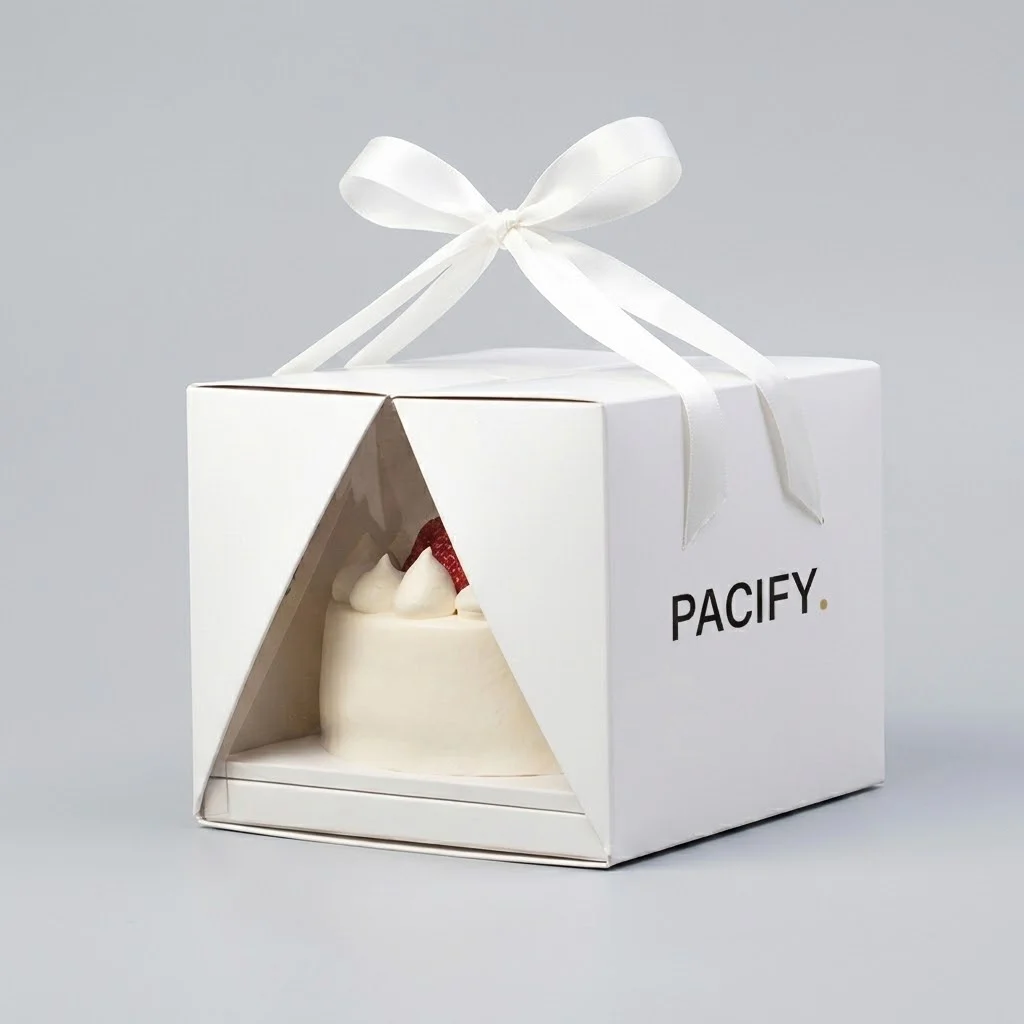
Finishing choices carry particular weight in confectionery packaging because the category is so closely associated with indulgence and gifting. Soft-touch lamination gives a box a velvety, tactile quality that pairs well with dark, saturated color palettes common in premium chocolate branding. Gold or copper foil stamping on a logo or border detail signals craftsmanship and pairs naturally with the warm tones typical of chocolate branding. Window patching, a die-cut opening covered with clear film, lets customers see the product without opening the box, which works particularly well for retail shelf placement where visual appeal drives impulse purchases. Ribbon closures add a final tactile and visual flourish for gift-oriented boxes, giving customers a small ceremonial moment before they even reach the chocolate itself.
Working With a Manufacturer on Food-Safe Compliance
Because chocolate is a food product, packaging that comes into direct contact with it needs to meet food-safe material standards, and it's worth confirming this early with any manufacturer you're considering rather than assuming all board and printing processes are automatically compliant. Ask specifically about food-contact certifications for any interior liners, trays, or direct-contact surfaces, and clarify whether printing inks are food-safe if any printed surface will touch the product directly. A manufacturer experienced with confectionery clients should be able to walk you through these requirements without slowing down your design process. Pacify Packaging manufactures custom chocolate boxes, ballotin-style assortments, and gift packaging for confectionery brands across the US, with food-safe material options and custom insert tooling. Request a quote and our team will help you design a box that protects your product and matches the quality of what's inside it.
Ready for custom packaging?
Get a free design consult and a quote within 24 business hours from Pacify Packaging.
Request a Free Quote →