Corrugated Shipping Boxes: Sizes, Types and Customization Guide
Corrugated shipping boxes are the workhorse of modern ecommerce and wholesale distribution, and getting the specification right has a direct effect on damage rates, shipping costs, and how professional your brand looks the moment a box lands on a customer's porch. Yet many businesses default to whatever generic size is available from a local supplier without considering wall strength, board grade, or customization options that could reduce cost and damage simultaneously. This guide covers the practical fundamentals of corrugated board, from wall types and standard sizing conventions to printing options and how to choose the right specification for heavy, fragile, or bulk-shipped products. Whether you're shipping direct to consumers or palletizing wholesale orders, understanding these basics will help you have a much more productive conversation with your packaging manufacturer.

What Makes Corrugated Board Different
Corrugated board is built from three layers: an inside liner, an outside liner, and a fluted (wavy) medium sandwiched between them, which is what gives corrugated cardboard its distinctive strength-to-weight ratio compared to flat chipboard. The fluting acts like a series of tiny arches, distributing pressure and absorbing impact far better than a single flat sheet of the same material weight would. This structure makes corrugated board the standard choice for anything that needs to survive stacking, handling, and the general abuse of a parcel network, from small ecommerce mailers to large wholesale shipping cases. The flute size itself, ranging from larger B and C flutes to smaller E and F flutes, affects both the crush resistance and the printability of the final box, which is worth discussing with your manufacturer based on your product's weight and how much external branding detail you need. Smaller flutes like E and F generally print more crisply and suit retail-facing designs, while larger B and C flutes prioritize cushioning and stacking strength over fine print detail, so the right choice really depends on whether your box needs to sell on shelf or simply survive the journey there.
Single Wall vs Double Wall vs Triple Wall
Corrugated board comes in different wall configurations depending on how much strength a shipment requires. Single wall board, with one fluted layer between two liners, is the most common option and handles the majority of ecommerce shipping needs for light to moderately heavy products. Double wall board adds a second fluted layer for significantly more stacking strength and puncture resistance, making it the standard choice for heavier products, export shipments, or situations where boxes will be stacked several pallets high in a warehouse. Triple wall board, the heaviest configuration, is reserved for very heavy industrial goods or situations requiring exceptional durability, and it's rarely necessary for typical consumer products. Choosing more wall strength than your product needs adds unnecessary cost and shipping weight, so it's worth discussing your actual product weight and stacking requirements with your manufacturer rather than defaulting to the heaviest option available.
Standard Box Styles: RSC, Die-Cut, and Mailer Style
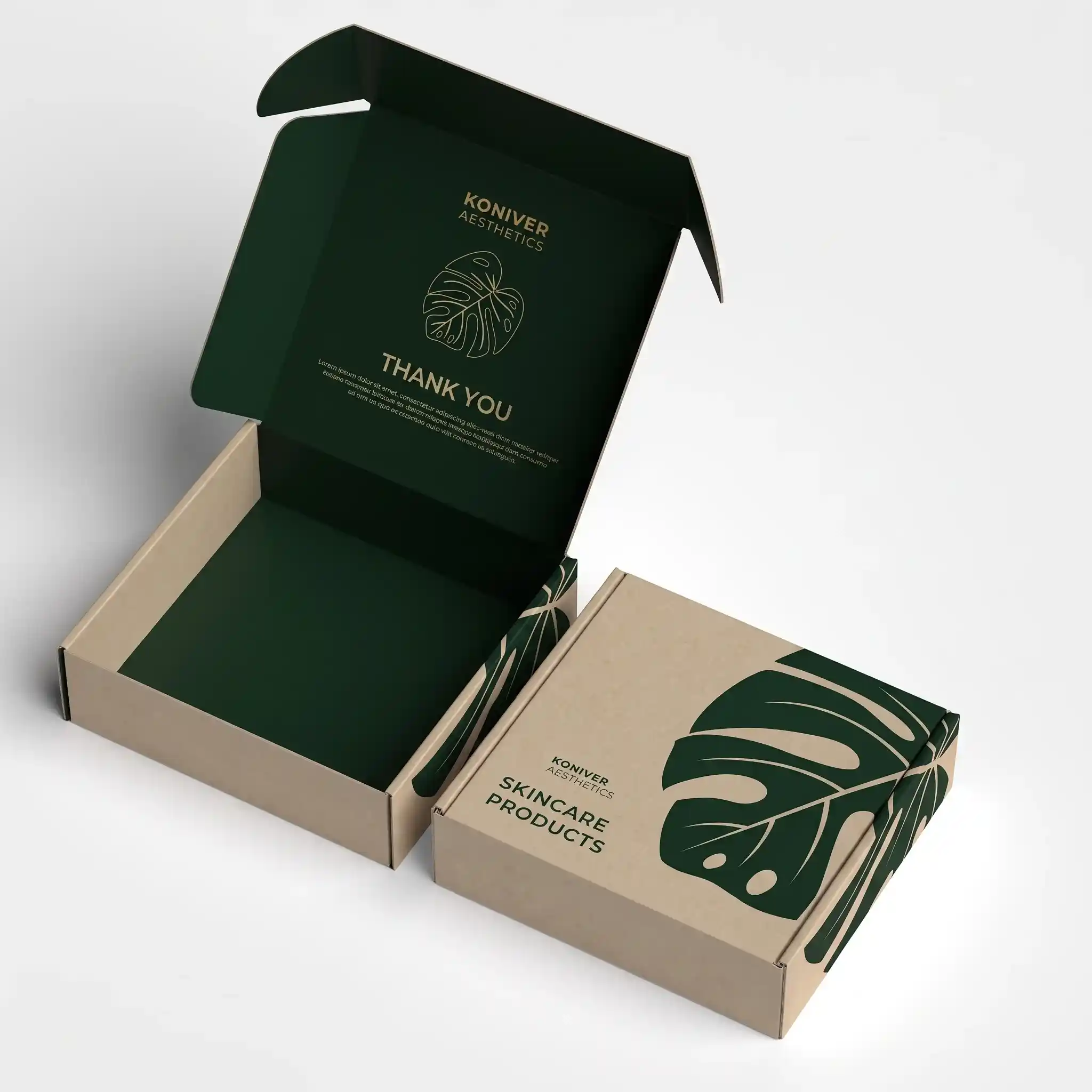
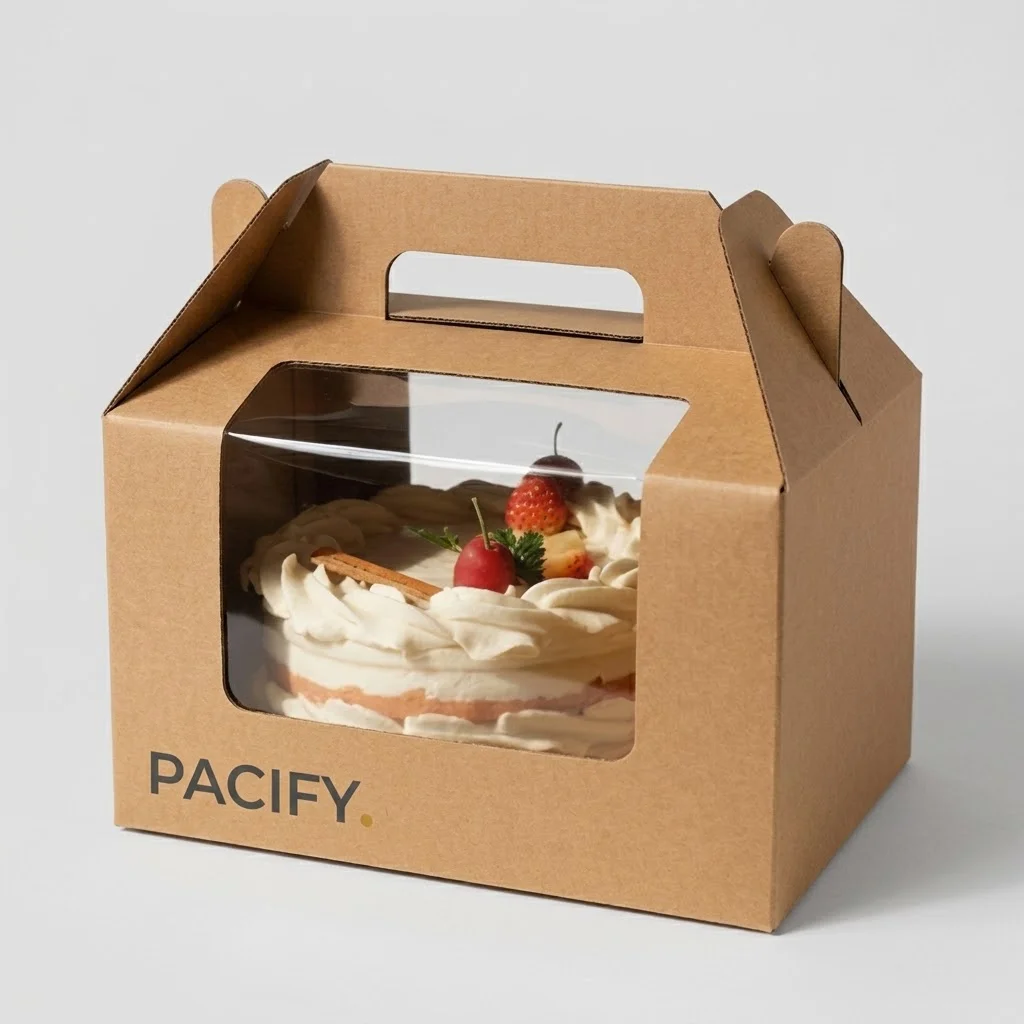
The Regular Slotted Container, or RSC, is the most common corrugated box style, recognizable by its four flaps on top and bottom that fold to a closed center seam, and it's the default choice for general-purpose shipping and wholesale cases because it's efficient to manufacture and ship flat. Die-cut corrugated boxes use a custom cutting pattern to create features like handles, locking tabs, or unusual shapes, which is useful for retail-ready shipping cases or products that need a specific interior configuration. Corrugated mailer-style boxes combine the strength of corrugated board with a self-locking design similar to an SBS mailer box, making them a popular choice for ecommerce brands that want a fully branded, tamper-evident shipping container without a separate outer carton. Each style has different tooling and printing implications, so it's worth deciding on your priority, cost efficiency, brand presentation, or special functionality, before settling on a structure.
Choosing the Right Box Size for Your Product
Selecting the correct box size is one of the highest-impact decisions in corrugated packaging, directly affecting shipping cost, product protection, and material waste. A box that's too large requires more void fill and increases dimensional weight charges from carriers, which can meaningfully raise your shipping cost per order even though the box itself might be cheaper. A box that's too small risks crushing or damaging the product and can complicate closing the box properly. Custom-sized corrugated boxes, built around your exact product dimensions plus a small buffer for padding, typically outperform standard stock sizes on both cost and protection once you're shipping at meaningful volume. If you sell multiple product sizes, it's often worth developing two or three custom box sizes rather than a single one-size-fits-all box, since the reduction in void fill and dimensional weight charges usually outweighs the added complexity of managing a few SKUs.
Print and Branding Options for Corrugated Boxes
Corrugated boxes can carry meaningful branding without sacrificing shipping performance, though the printing process differs somewhat from smooth SBS board. Flexographic printing, the most common method for corrugated boxes, works well for one to three color designs and simple logos, and it's the most cost-effective option at higher volumes. For brands wanting full-color, photographic-quality graphics, litho-laminated printing applies a high-resolution printed sheet to the corrugated board before it's converted into a box, achieving retail-shelf-quality graphics on a shipping container. Interior printing is also increasingly popular for ecommerce mailer-style corrugated boxes, turning the inside of the box into a branded surface customers see the moment they open their delivery. Discuss your desired print quality and color count with your manufacturer early, since it affects both cost and minimum order quantity.
Corrugated Boxes for Heavy, Fragile and Bulk Shipping
Different product categories require different corrugated specifications to ship safely and cost-effectively. Heavy products benefit from double wall board and reinforced bottom flaps to prevent bulging or collapse under stacking pressure. Fragile products often need a combination of appropriately sized corrugated boxes and interior protection, such as corrugated dividers, foam inserts, or air pillows, to prevent movement during transit. Bulk and wholesale shipments typically use larger RSC-style cases designed for palletization, where consistent external dimensions matter for efficient stacking and warehouse handling. If your product falls into one of these categories, share your product weight, fragility, and typical shipping method with your manufacturer so they can recommend an appropriate flute size and wall configuration rather than a generic default.
Ordering Custom Corrugated Boxes: What to Expect
Ordering custom corrugated boxes typically starts with sharing your product dimensions, weight, and shipping method with a manufacturer, who will recommend a flute type, wall configuration, and box style suited to your needs. From there, you'll typically review a structural sample to confirm fit and durability before finalizing any printed graphics, since getting the structural specification right matters more for corrugated boxes than for most other packaging types. Lead times for custom corrugated tooling are generally longer than for stock sizes, so it's worth planning several weeks ahead of a launch or peak shipping season, particularly around the fourth-quarter holiday shipping surge when many manufacturers see their highest demand of the year. Pacify Packaging manufactures custom corrugated shipping boxes in single and double wall configurations, with flexographic and litho-laminated printing options for US ecommerce and wholesale brands. Request a quote and share your product specs, and our team will recommend the right box for your shipment.
Ready for custom packaging?
Get a free design consult and a quote within 24 business hours from Pacify Packaging.
Request a Free Quote →