Pie Box Shapes & Sizes
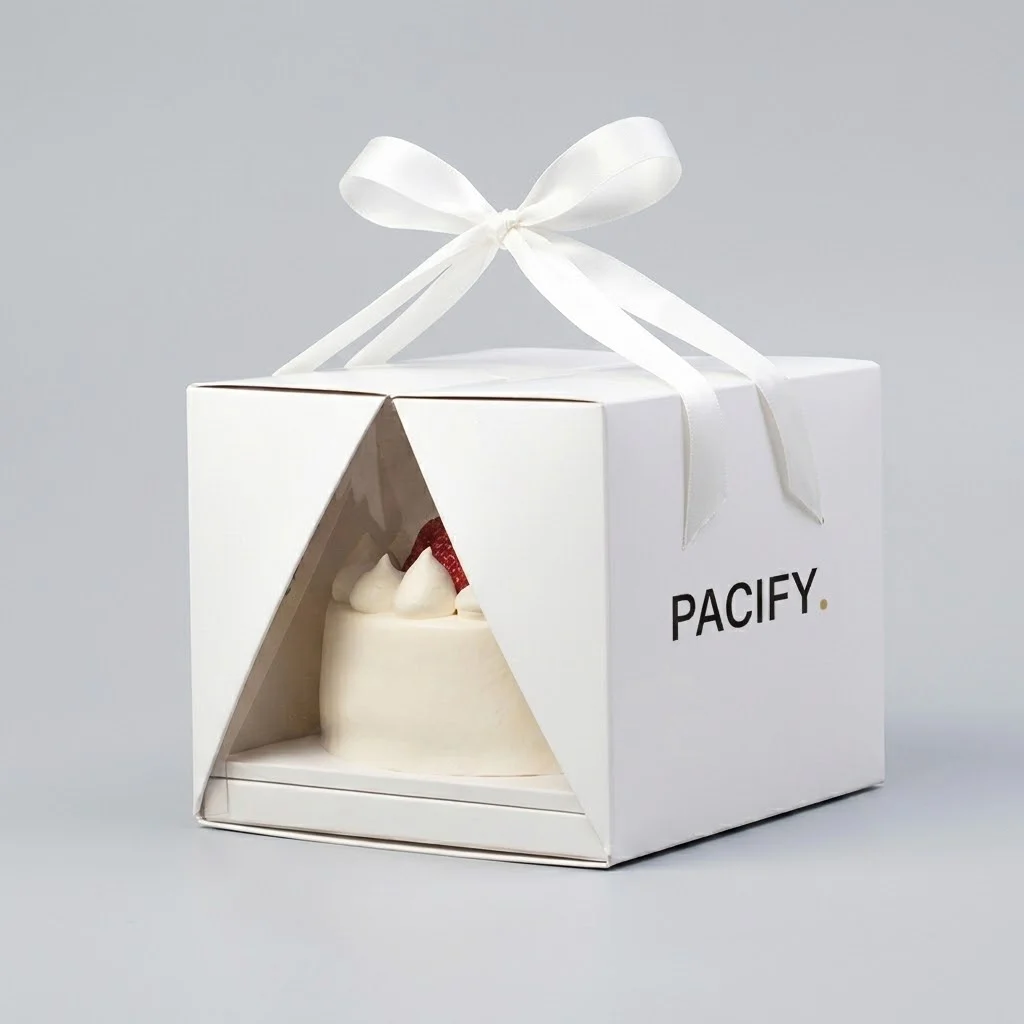
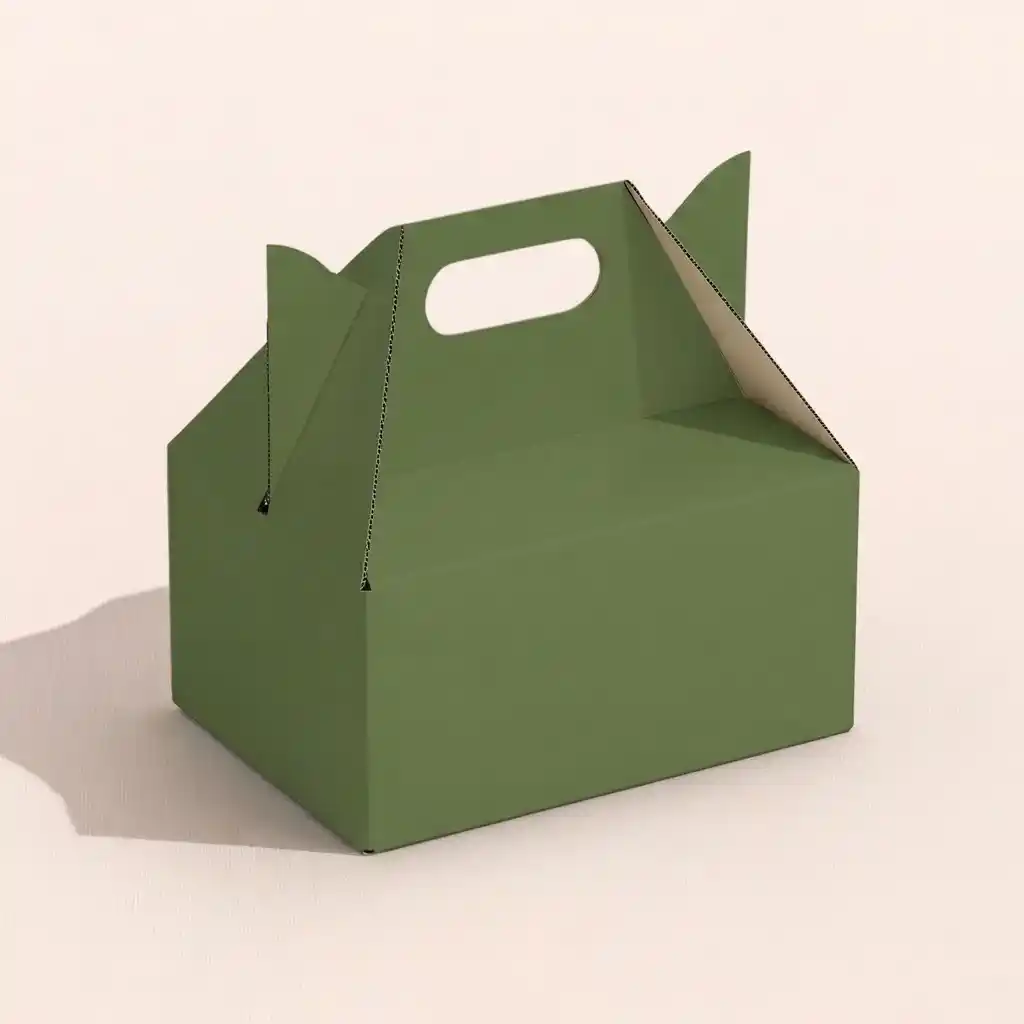
We manufacture pie boxes in round formats to match the actual shape of the product, as well as square boxes for bakeries that prefer simpler stacking and storage in a limited kitchen or retail space, in standard sizes from mini single-serve pies up to full 10-inch and larger formats.
Vented vs. Solid Tops
Vented pie boxes include small die-cut openings that let steam escape, which helps keep a crust from going soft during transport — especially important for hot or freshly baked pies sold same-day directly from the oven.
- Vented tops for fresh, hot-baked pies
- Solid tops for cold or pre-baked pies and longer transport
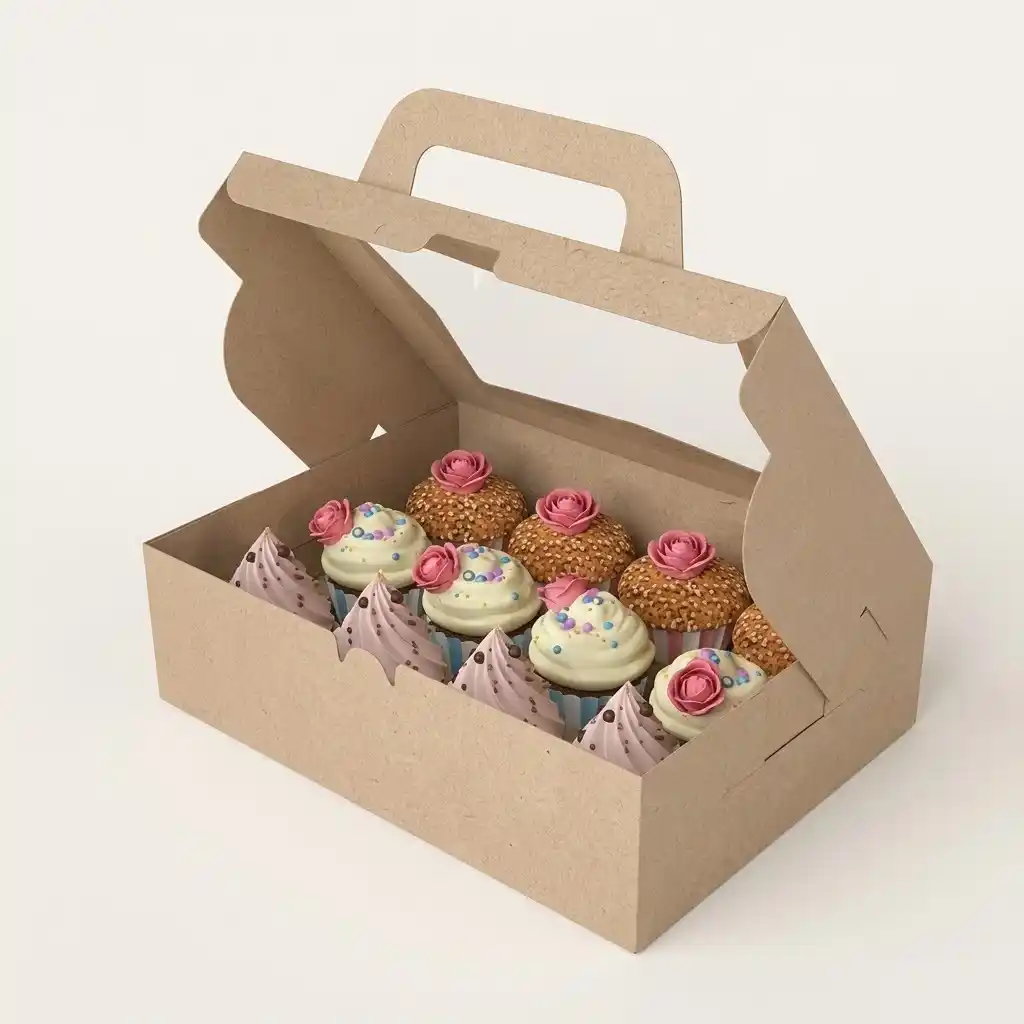
- Window options for retail display
Materials
Pie box board is reinforced at the base panel to support the weight and moisture of a full pie, with a grease-resistant coating available for higher-fat or fruit-filling pies that tend to leak liquid onto standard uncoated packaging.
Branding
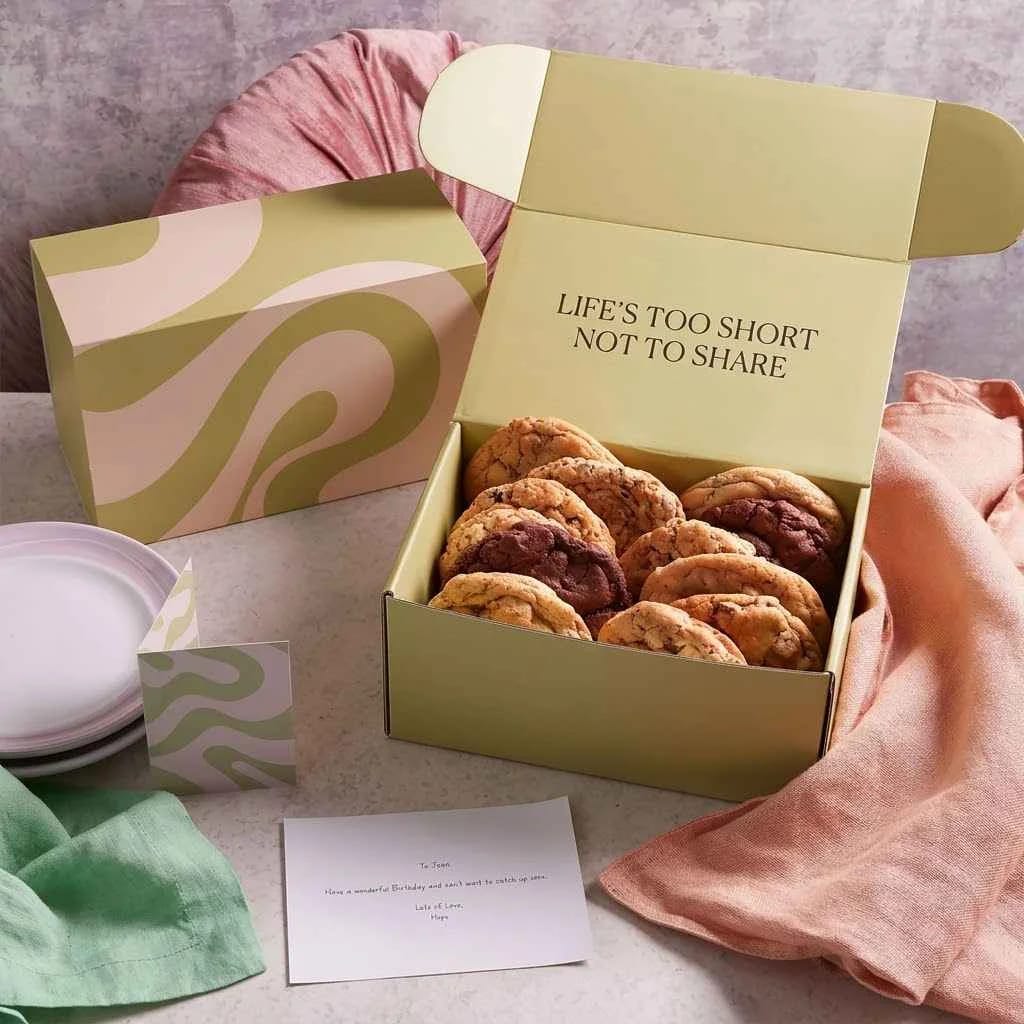
Full-color printing, seasonal designs for holiday pie programs around major seasonal spikes, and simple kraft finishes with a single-color stamp are all available, so pie boxes can match either a rustic bakery brand or a more polished retail presentation.
Ordering
Send us your typical pie diameters and whether you need vented or solid tops, and we'll return a pie box recommendation and quote within 24 hours — with low minimums for single-location bakeries testing a new packaging format.
Handling Holiday Volume Spikes
Pie sales are among the most seasonally concentrated products we package, with a large share of annual volume for many bakeries landing in just a few weeks around major holidays. We plan pie box production and inventory buffers around that spike rather than treating it like a normal reorder cycle, so bakeries aren't caught short on packaging during the exact weeks when pie sales — and the pressure on your kitchen — are at their highest.
Stackable Pie Boxes for Bulk & Wholesale Orders
Bakeries supplying restaurants, cafés, or grocery accounts with pies in bulk need boxes that stack cleanly on a delivery rack or shelf without crushing the pie underneath, which is a different design priority than a single retail box handed to one customer at a time. We reinforce the top panel and corners on wholesale-format pie boxes specifically to support light stacking during transport, so drivers and receiving staff can move a full case of pies without treating every single box as individually fragile.
Matching Pie Boxes to Your Menu
Bakeries and cafés often carry both sweet and savory pies, hand pies, and tarts of varying sizes, and standardizing all of them onto one pie box size usually means either wasted space for smaller items or a tight squeeze for larger ones. We typically recommend starting with two pie box sizes — a standard full-pie format and a smaller hand-pie or tart format — which covers most menus without the complexity of managing five or six slightly different box sizes for a relatively small product category.
Savory Pie & Quiche Packaging Considerations
Savory pies, quiches, and pot pies bring a different set of packaging concerns than sweet dessert pies, since higher moisture and fat content from meat and cheese fillings can be harder on standard bakery board over time, especially if the product needs to be reheated in its box. We can specify heavier grease-resistant coatings and, where needed, oven-safe board options for bakeries and cafés selling savory pies meant to be warmed up directly in the packaging.
Frozen Pie Packaging for Retail & Grocery
Bakeries selling frozen take-and-bake pies through grocery or specialty retail have an additional consideration beyond standard pie boxes — the packaging needs to hold up to freezer condensation and repeated temperature cycling without the board softening or the print smearing. We recommend a moisture-resistant coating rated specifically for frozen and refrigerated retail environments for this use case, which performs differently than a standard grease-resistant coating built for a same-day fresh-baked pie.
Starting Your Pie Box Order
Tell us your most common pie diameter, whether it's typically sold fresh or frozen, and roughly how many you sell in a peak week versus a normal week, and we'll recommend a starting pie box size along with realistic order quantities that account for your seasonal swings rather than a flat number that leaves you short during your busiest weeks of the year, or sitting on excess inventory the rest of the time.