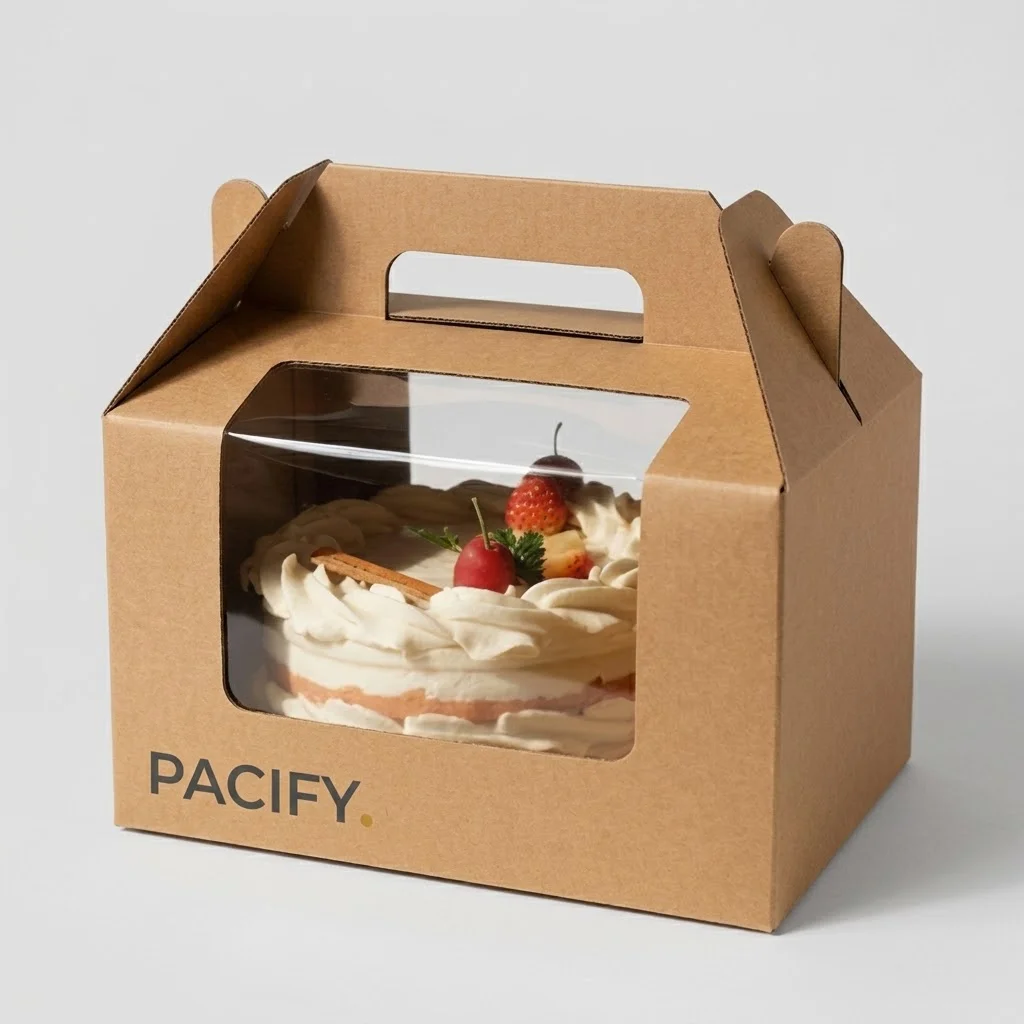
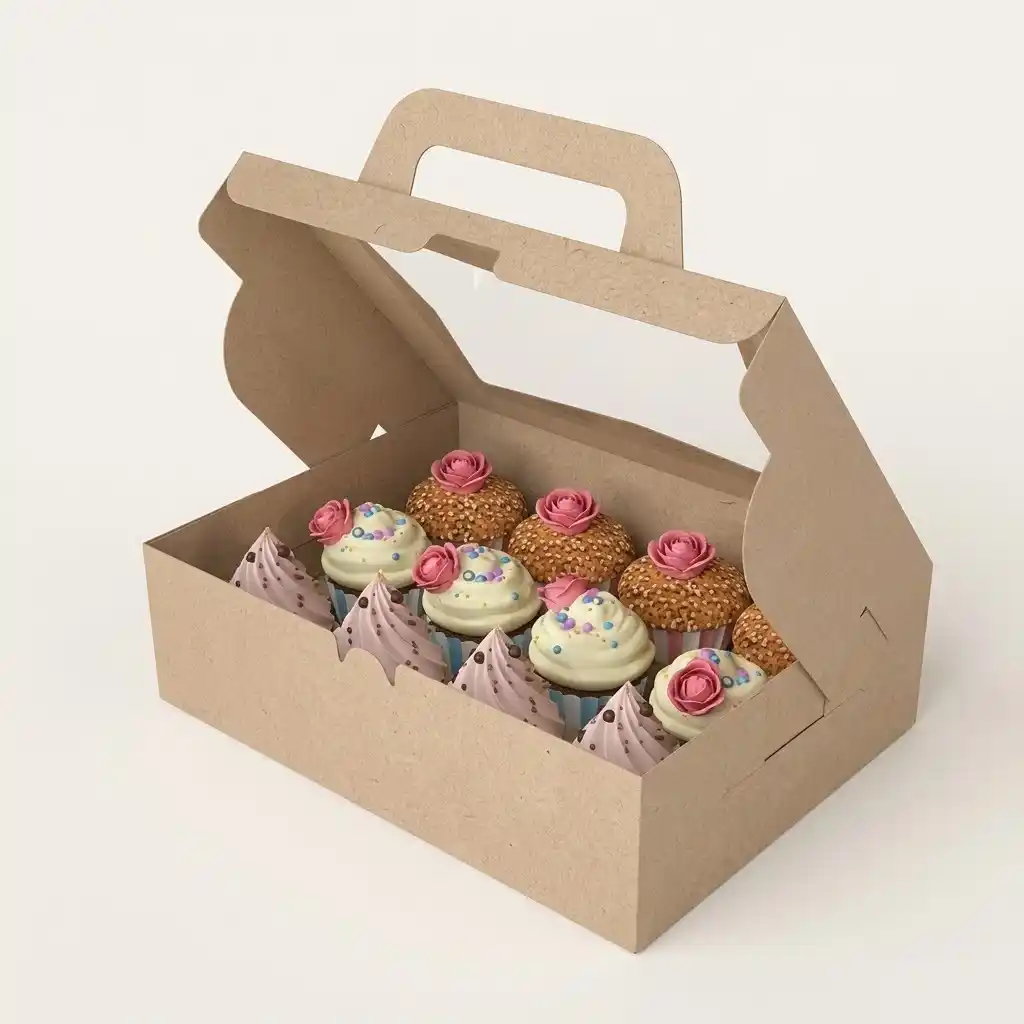
Window Shapes & Placement
We die-cut windows in standard rectangular and oval shapes as well as custom outlines that follow a logo or product silhouette, positioned based on the specific part of the product you want visible — a bakery item's frosting, a supplement bottle's label, or a soap bar's texture and color.
Window Materials
The film covering a window box needs to balance clarity, cost, and food-contact requirements depending on the product inside and how it will be displayed.
- Clear PVC film for cost-efficient general retail
- PET film for a more sustainable, recyclable option
- Cellophane for food products requiring food-contact-safe film
Structural Base Styles
Window die-cuts can be added to most standard folding carton structures, most commonly tuck-end cartons and auto-lock bottom cartons for heavier contents that need a more secure base than a simple tuck closure.
Best Product Fits
Window boxes work best for products where visual appeal drives the purchase decision — baked goods, cosmetics with distinctive colors or textures, toys, and specialty food items sold at retail where shoppers are comparing several similar products side by side.
- Bakery and confectionery items
- Cosmetics and personal care
- Retail food products
- Gift and specialty items
Ordering
We'll recommend window shape, placement, and film material based on your product and retail environment, then confirm everything on a physical prototype before production begins. Quotes are typically returned within 24 hours of your first inquiry.
Balancing Window Size With Structural Strength
A larger window shows off more of the product, but it also removes board material from the panel that's doing the most structural work, so we size and reinforce windows to avoid a carton that bows or collapses at the exact spot meant to showcase your product. This becomes especially important on auto-lock bottom cartons carrying heavier contents, where we sometimes recommend a slightly smaller window or an added structural rib rather than sacrificing the box's ability to hold its shape on a shelf.
Getting Window Film Application Right
A window that looks clean in a rendering can end up with visible glue lines, bubbling, or misalignment if the film application step isn't controlled carefully during production, which is one of the more common quality issues we see when brands switch to us from a previous supplier. We apply window film as a dedicated, inspected production step rather than an automated pass-through, checking each run for clean edges and full adhesion before cartons move on to folding and packing.
Window Boxes for Seasonal or Rotating Products
Brands that rotate flavors, scents, or designs seasonally often want a window carton that shows off whatever variant is currently in the box without needing a completely new die-line for every rotation. We can design a window placement and size that works consistently across your product range, so introducing a new seasonal variant is mostly a matter of updating printed graphics around a window position that's already proven to showcase the product well.
Protecting Window Boxes During Shipping
A die-cut window is a structural weak point compared to a fully solid carton panel, so window boxes destined for ecommerce shipment rather than in-store handling need extra consideration around outer packaging and fill material to prevent the window film from puncturing or the surrounding board from creasing during transit. We factor your distribution method — retail shelf versus direct ecommerce shipment — into window placement and reinforcement recommendations from the start, rather than applying the same window design regardless of how the product actually reaches the end customer.
When a Window Isn't the Right Choice
Not every product benefits from a window, and we'll say so directly if your specific item doesn't photograph or present well through a die-cut opening — an oddly shaped product, an ingredient that looks unappealing exposed to light, or a design where full-panel print communicates the brand story more effectively than a partial product view. A window is a design tool that should earn its place in the structure, not a default feature added simply because it's available.
Requesting a Window Box Prototype
Send us your product dimensions, a sense of which side or angle you'd want visible through a window, and any existing brand artwork, and we'll return a window placement recommendation along with a physical prototype so you can see exactly how much of the product shows before approving the design for full production and print.